

Event
480 BCE, Salamis
The Greek fleet beats the Persians at Salamis
Off the island of Salamis the Greek fleet sinks most of the Persian ships in the battle. Herodotus says the Greeks fought in line while the Persian ships lost their order.
Down is later in time, five years to a row. Swipe a row for what else happened in those years. The map and timeline follow the card in the middle.
480 BCESalamis
2,505 years ago
Event
480 BCE, Salamis
Off the island of Salamis the Greek fleet sinks most of the Persian ships in the battle. Herodotus says the Greeks fought in line while the Persian ships lost their order.
Event
479 BCE, Plataea
A Greek army led by the Spartan Pausanias routs the Persian land army under Mardonius, ending Xerxes' invasion of Greece.
Event
478 BCE, Delos
The Greek allies make Athens their leader against Persia. Each city owes ships or money, and the common treasury is kept on the island of Delos.
Nothing here for 475–466 BCE
Event
c. 461 BCE, Athens
Ephialtes, with Pericles' party behind him, takes most of the old Council of the Areopagus's powers away. He is murdered soon after.
Nothing here for 460–451 BCE
Event
447 BCE, Athens
Under Pericles, Athens starts building a new temple of Athena on the Acropolis, with Ictinus and Callicrates as architects and Pheidias overseeing the work.
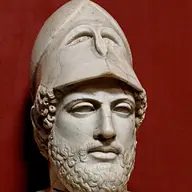 Pericles
set in c. 447 BCE, Athens
If you won't listen to me, at least wait for the wisest adviser of all: time.
Event
446/445 BCE, Athens and Sparta
Athens and Sparta make a truce meant to last thirty years, and Athens gives up the places it held in the Peloponnese.
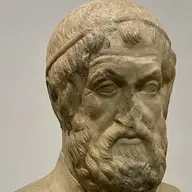 Sophocles
c. 441 BCE, Athens (Theatre of Dionysus)
The world is full of amazing things, and nothing is more amazing than human beings.
Sophocles
c. 441 BCE, Athens (Theatre of Dionysus)
I didn't think your orders were strong enough for a human to override the gods' unwritten laws. Those laws are forever, and nobody knows where they began.
Sophocles
c. 441 BCE, Athens (Theatre of Dionysus)
I was not made to share in hating, but in loving.
Sophocles
c. 441 BCE, Athens (Theatre of Dionysus)
A city that belongs to just one man is not really a city.
Sophocles
c. 441 BCE, Athens (Theatre of Dionysus)
Even a wise person loses nothing by learning and bending a little. Trees that bend in a flood survive; stiff ones are torn out by the roots.
Sophocles
c. 441 BCE, Athens (Theatre of Dionysus)
Nothing is worse than disobedience. It wrecks cities, ruins homes and makes armies break and run.
Sophocles
c. 441 BCE, Athens (Theatre of Dionysus)
Everyone makes mistakes. The one who fixes his mistake instead of digging in is not a fool; stubbornness is what looks foolish.
Nothing here for 440–436 BCE
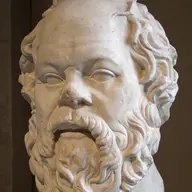 Socrates
c. 433 BCE, Athens, the house of Callias
Nobody chooses what they think is bad over the good, it seems. Forced to pick between two bad things, nobody takes the worse one.
Pericles
set in 432 BCE, Athens
Forget our farms and houses. Guard the sea and the city, and don't let anger over our land drag us into a battle against bigger armies.
Pericles
set in 432 BCE, Athens
I have good reason to hope we'll come through, if we don't chase new conquests or extra risks during the war. I fear our own mistakes more than the enemy's plans.
Event
431 BCE, Plataea
A Theban force slips into Plataea, an ally of Athens, at night. Thucydides treats this as the start of the war between Athens and Sparta.
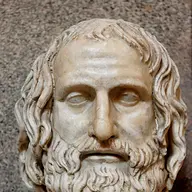 Euripides
431 BCE, Athens (Theatre of Dionysus)
Of every living, feeling thing, women have it worst. First we pay a huge price for a husband, then we have to accept him as our master.
Euripides
431 BCE, Athens (Theatre of Dionysus)
People say women live safe at home while men go to war. That is a poor argument: I would rather stand in battle three times than give birth once.
Euripides
431 BCE, Athens (Theatre of Dionysus)
A sensible parent should not have their children taught to be too clever. People will call them idle, and their fellow citizens will resent them.
Euripides
431 BCE, Athens (Theatre of Dionysus)
The world is turned upside down, like rivers flowing backwards. Now it is men who scheme and break their sworn promises.
Euripides
431 BCE, Athens (Theatre of Dionysus)
I finally see how terrible the thing I am about to do is. But passion, the source of the worst human misery, has beaten my better judgement.
Euripides
431 BCE, Athens (Theatre of Dionysus)
Moderation is the best thing to talk about and the best way to live. Greatness that overreaches brings people no good.
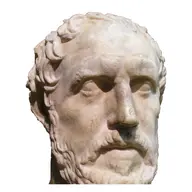 Thucydides
431 BCE, written later, Athens
I started writing about this war the moment it began, because I thought it would be a great war, more worth telling than any before it.
Event
431 BCE, Attica
King Archidamus leads the Spartans and their allies into the farmland around Athens while the Athenians stay behind their walls.
Event
431/430 BCE, Athens
In the winter after the war began, Athens gives a funeral at public cost to those who first fell. Pericles is chosen to speak.
Event
430 BCE, Athens
Soon after the Spartans invade again, a deadly epidemic strikes the crowded city. Thucydides, who caught it himself, says no one remembered one so deadly.
Thucydides
430 BCE, written later, Athens
At first doctors didn't know how to treat it, and they died in the greatest numbers, because they saw the sick most. Prayers and oracles were no use either, until people gave them up.
Thucydides
430 BCE, written later, Athens
I'll just describe the symptoms, so it might be recognized if it ever comes back. I can, because I caught it myself and watched it in others.
Thucydides
430 BCE, written later, Athens
Rich people dropped dead and the poor inherited overnight. So people openly did what they used to hide, and spent fast, as if life and money could vanish tomorrow.
Pericles
set in 431/430 BCE, Athens
We don't copy other states; they copy us. Our government serves the many, not the few. That's why it's called a democracy.
Pericles
set in 431/430 BCE, Athens
Our freedom reaches daily life too. We don't spy on each other or get angry at a neighbor for living as he likes, not even with dirty looks.
Pericles
set in 431/430 BCE, Athens
We love beauty without waste and learning without going soft. Money is for using, not showing off. Being poor isn't shameful; not trying to escape it is.
Pericles
set in 431/430 BCE, Athens
Our city is the school of Greece. I doubt anyone anywhere can handle as much on their own, and as gracefully, as an Athenian.
Pericles
set in 431/430 BCE, Athens
Heroes are buried everywhere. Even far from home, with no stone to mark them, people remember them in their hearts.
Pericles
set in 430 BCE, Athens
We can't back out now. To be blunt, what you hold is a tyranny. Taking it may have been wrong, but letting it go is dangerous.
Thucydides
430 BCE, written later, Athens
When the people got cocky, he could scare them with a word; when they panicked, he calmed them. It was called a democracy, but really one man led it.
Event
429 BCE, Athens
Pericles, Athens' leading statesman, dies about two and a half years into the war.
Sophocles
c. 429 BCE, Athens (Theatre of Dionysus)
You are all suffering, but none of you as much as I am. You each feel your own pain; I feel the city’s, my own and yours at once.
Sophocles
c. 429 BCE, Athens (Theatre of Dionysus)
Let whatever happens happen. Even if I come from nothing, I need to know where I come from.
Sophocles
c. 429 BCE, Athens (Theatre of Dionysus)
Why should a person be afraid, if luck rules everything and nobody can see what is coming? Better to just live as it comes.
Sophocles
c. 429 BCE, Athens (Theatre of Dionysus)
Look how far he has fallen. So until someone’s last day has come and gone without disaster, do not call them happy.
Pericles
set in 429 BCE, Athens
Why praise what I owe as much to luck as to myself, and what other generals did too? My best claim is this: no Athenian alive ever had to mourn because of me.
Event
427 BCE, Athens
After Mytilene's revolt fails, the Athenian assembly orders all its men killed. The next day it debates again and sends a second ship to stop the order.
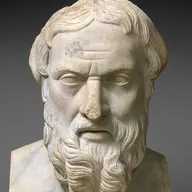 Herodotus
c. 430–425 BCE, Greece
I wrote this so people won't forget what humans did: the great deeds of Greeks and non-Greeks alike, and why they went to war.
Herodotus
c. 430–425 BCE, Greece
Ask every people on earth to pick the best customs, and each would pick its own. Everyone is sure their ways are best.
Herodotus
c. 430–425 BCE, Persia
A people who ate their dead parents were horrified at the idea of burning them. Beliefs run that deep. Custom rules everyone, I think.
Herodotus
c. 430–425 BCE, Greece
My job is to write down what people told me. Believing it is not my job.
Herodotus
c. 430–425 BCE, Egypt
Egypt has its own weather and its own river, and mostly the opposite customs. Women trade at the market; men stay home and weave.
Herodotus
c. 430–425 BCE, Egypt
I saw something strange where the battle was fought: the Persian skulls are so brittle a pebble would go through them, while the Egyptian ones barely crack under a stone.
Herodotus
c. 430–425 BCE, Sardis
In a seventy-year life, no two days bring the same thing. A human life is all chance.
Herodotus
c. 430–425 BCE, Sardis
Only someone whose life also ends well deserves to be called fortunate. Until they die, just call them lucky.
Herodotus
c. 430–425 BCE, Sardis
Nobody is foolish enough to choose war over peace. In peace, children bury their parents. In war, parents bury their children.
Herodotus
c. 430–425 BCE, Marathon
They were the first Greeks we know of to charge the enemy at a run, and the first to face the Medes without panicking at their name.
Herodotus
c. 430–425 BCE, Thermopylae
They fought with swords if they still had them, and with hands and teeth. The enemy buried them under missiles from the front and from all sides.
Herodotus
c. 430–425 BCE, Thermopylae
The Spartans' own epitaph: Stranger, go tell the Spartans that we lie here, obedient to their orders.
Herodotus
c. 430–425 BCE, Abydos
Xerxes said he felt pity: life is so short that of all these men, not one will be alive in a hundred years.
Thucydides
427 BCE, written later, Corcyra
Civil war brings horrors that will keep happening as long as people are people. In good times we behave better; war takes away the basics and drags most people down with it.
Thucydides
427 BCE, written later, Corcyra
Words flipped their meaning. Recklessness was called loyal courage, caution was called cowardice, and seeing both sides meant you were useless.
Thucydides
427 BCE, written later, Corcyra
Neither side respected religion, but nice words for ugly goals were admired. The moderates in the middle were killed, for staying out or out of envy.
Event
425 BCE, Pylos
Spartan soldiers trapped on the island of Sphacteria near Pylos give up. About 120 Spartans are among the prisoners taken to Athens.
Event
424/423 BCE, Amphipolis
The general Thucydides arrives too late to save Amphipolis from the Spartan Brasidas. He is exiled for twenty years, and uses the time to write his history.
Thucydides
424 BCE, written later, in exile
I lived through all of it, old enough to understand it. I was exiled for twenty years after my command at Amphipolis, which let me watch both sides closely.
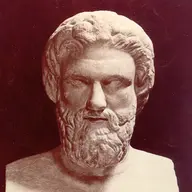 Aristophanes
423 BCE, Athens (Theatre of Dionysus)
I am up here in the air, thinking about the sun.
Aristophanes
423 BCE, Athens (Theatre of Dionysus)
Socrates recently asked Chaerephon how many of its own feet a flea can jump, after one bit Chaerephon and leapt onto Socrates’ head.
Aristophanes
423 BCE, Athens (Theatre of Dionysus)
So a gnat's backside is a trumpet! What insight. Surely anyone who understands gnat guts could easily get off in court.
Aristophanes
423 BCE, Athens (Theatre of Dionysus)
Which gods will you swear by? Gods are not the currency we use around here.
Aristophanes
423 BCE, Athens (Theatre of Dionysus)
These are the only real goddesses. Everything else is nonsense.
Aristophanes
423 BCE, Athens (Theatre of Dionysus)
Vortex? I somehow missed that Zeus does not exist and Vortex rules in his place.
Aristophanes
423 BCE, Athens (Theatre of Dionysus)
They say these people have two arguments, the better and the worse, and that the worse one wins even though it argues for what is unjust.
Aristophanes
423 BCE, Athens (Theatre of Dionysus)
I was the first to argue against law and justice. Being able to take the worse side and still win is worth a fortune.
Aristophanes
423 BCE, Athens (Theatre of Dionysus)
Wasn’t that law first proposed by a man like you or me? So why can’t I propose a new law that sons get to beat their fathers?
Aristophanes
423 BCE, Athens (Theatre of Dionysus)
What got into you, insulting the gods and snooping around the moon?
Event
422 BCE, Amphipolis
Athens tries to retake Amphipolis and loses. Both leaders die: the Athenian Cleon while fleeing, the Spartan Brasidas after hearing of his victory.
Event
421 BCE, Athens and Sparta
Athens and Sparta sign a peace in spring, about ten years after the war began.
Socrates
c. 431–411 BCE, Piraeus, Athens
My proposed law: the guardians share their wives and children. No parent knows which child is theirs, and no child knows their parent.
Socrates
c. 430–405 BCE, Athens
I'd want neither. But if I had to choose between doing wrong and being wronged, I'd rather be wronged.
Euripides
c. 420–413 BCE, Athens (Theatre of Dionysus)
You cannot measure a person’s worth exactly. I have seen worthless sons of great fathers, good children of bad parents, poor souls in the rich and great souls in the poor.
Euripides
c. 420–413 BCE, Athens (Theatre of Dionysus)
So how do you judge these things properly? By money? That's a poor test.
Euripides
c. 420–413 BCE, Athens (Theatre of Dionysus)
My family had good blood but no money, and lack of money ruins good birth.
Euripides
c. 420–413 BCE, Athens (Theatre of Dionysus)
Money matters for hosting guests and paying for the sick. But for everyday food it counts for little: a full stomach is the same for rich and poor.
Euripides
c. 420–413 BCE, Athens (Theatre of Dionysus)
Women can be foolish, granted. But when a husband cheats, his wife may do the same, and then she gets all the blame while the man who started it does not.
Event
416 BCE, Melos
The neutral island of Melos refuses to join Athens. After a siege it surrenders; the Athenians kill the men and sell the women and children as slaves.
Socrates
set in 416 BCE, Athens, Agathon's house
Diotima told me this, and I believe it: to win this prize, the best helper human nature can find is Love.
Thucydides
416 BCE, written later, Melos
In the real world, fairness only comes up between equals in power. Otherwise the strong do what they can and the weak put up with what they must.
Thucydides
416 BCE, written later, Melos
Gods, we think, and people, we know, rule wherever they can. We didn't invent that rule, we just use it, and you would too in our place.
Event
415 BCE, Athens
In one night, most of the stone Hermes figures at Athens' doorways have their faces mutilated, just as the fleet for Sicily is being prepared.
Event
415 BCE, Piraeus
Around midsummer the Athenians go down to Piraeus at dawn and man their ships for the expedition against Sicily.
Socrates
c. 420–410 BCE, Outside the walls of Athens, by the Ilissus
Sorry, I love learning. Trees and fields don't teach me anything. People in the city do.
Thucydides
c. 431–400 BCE, Greece
It was always hard to remember speeches word for word, so I wrote what I thought each speaker needed to say, staying as close as I could to the gist of what they really said.
Thucydides
c. 431–400 BCE, Greece
My history may be less fun without legends. But if it helps people understand the future, which will look a lot like the past, that's enough. I wrote it to last.
Event
413 BCE, Syracuse
The Athenian fleet and army at Syracuse are wiped out, and few of the men come home.
Thucydides
413 BCE, written later, Sicily
In my view the biggest event in Greek history: glorious for the winners, a catastrophe for the losers. Fleet, army, everything was destroyed, and few came home.
Event
411 BCE, Athens
A group of four hundred takes over the council chamber and rules Athens by force, ending the democracy for a few months.
Event
406 BCE, Arginusae and Athens
Athens wins a sea battle off the Arginusae islands. The assembly then condemns eight of the generals in a single vote, and the six in Athens are executed.
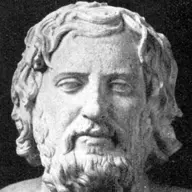 Xenophon
set in 406 BCE, Athens
Some challenged the proposal as illegal. A few cheered, but most shouted that it was outrageous to stop the people doing whatever they wanted.
Xenophon
set in 406 BCE, Athens
Scared, the presiding officials agreed to put it to a vote. All but Socrates, who said he would only act within the law.
Event
c. 406 BCE, Macedonia and Athens
Athens loses two of its three great tragic poets within about a year: Euripides, traditionally said to have died in Macedonia, and Sophocles in Athens.
Event
405 BCE, Aegospotami
Lysander captures almost the whole Athenian fleet on the beach at Aegospotami. When the news reaches Athens at night, no one sleeps.
Xenophon
set in 405 BCE, Athens
The bad news came at night. Wailing spread from the harbour up into the city, and no one slept, grieving for the dead and even more for themselves.
Event
404 BCE, Athens
Starved by siege, Athens accepts Sparta's terms. Lysander sails into Piraeus and the Peloponnesians begin tearing down the walls to flute music.
Event
404 BCE, Athens
After the surrender, Athens votes in thirty men, Critias among them, to write new laws. Backed by Sparta, they rule as an oligarchy.
Xenophon
set in 404 BCE, Athens
Lysander sailed into the harbour, the exiles came home, and the Peloponnesians happily tore down the walls to flute music, thinking Greece's freedom began that day.
Xenophon
set in 404–403 BCE, Athens
Led through the market, he shouted about the wrongs done to him. Told to keep quiet or suffer, he reportedly asked: and if I keep quiet, won't I suffer?
Xenophon
set in 404–403 BCE, Athens
With Theramenes dead, the Thirty thought they could rule as tyrants without fear. They barred people from the city and took their land for themselves and their friends.
Event
403 BCE, Athens
Exiles led by Thrasybulus overthrow the Thirty. The two sides swear not to remember past wrongs and live together again as citizens.
Socrates
c. 402 BCE, Athens
If that numbing fish is numb itself, then I'm like it. I don't confuse people because I'm sure. I confuse them because I'm the most unsure of all.
Sophocles
401 BCE, Athens (Theatre of Dionysus)
Best of all is never to be born. Second best, once you are born, is to go back where you came from as fast as you can.
Sophocles
401 BCE, Athens (Theatre of Dionysus)
Only the gods never grow old or die. Everything else is worn down into ruin by time, which beats everything.
Event
399 BCE, Athens
Socrates is charged with not recognising the city's gods and corrupting the young. A jury condemns him, and he dies in prison by drinking poison.
Socrates
set in 399 BCE, Athens
If someone says a thing is beautiful because of its color or shape, I ignore it. I hold, perhaps foolishly, that only beauty itself makes it beautiful.
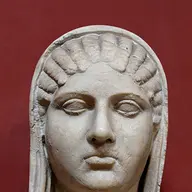 Aspasia
by 399 BCE, Athens
Matchmaking only works when the good things you say about each side are true. People who were fooled end up hating each other and you.
Meletus
set in 399 BCE, Athens
Socrates is charged with not accepting the city's gods, bringing in new ones, and corrupting the young. The penalty asked: death.
Socrates
set in 399 BCE, Athens
He went to Delphi and asked the oracle whether anyone was wiser than me. The priestess answered that no one was.
Socrates
set in 399 BCE, Athens
Neither of us knows anything really worth knowing. But he thinks he does, and I know I don't. That makes me a bit wiser.
Socrates
set in 399 BCE, Athens
You've all seen the Socrates in Aristophanes' comedy, floating around claiming to walk on air. I know nothing about any of that.
Socrates
set in 399 BCE, Athens
He says I corrupt the young. I say he's the wrongdoer: he drags people to court over things he never cared about.
Socrates
set in 399 BCE, Athens
Fearing death is pretending to know what you don't. Nobody knows death isn't the best thing of all, yet people fear it as the worst.
Socrates
set in 399 BCE, Athens
Kill me and you won't easily find another like me: a fly stinging a big, lazy horse of a city awake.
Socrates
set in 399 BCE, Athens
Talking every day about how to be good, testing myself and others, is the best thing a person can do. A life without that isn't worth living.
Socrates
set in 399 BCE, Athens
If death is like a deep sleep, it's a gain. If it's moving to a place where all the dead are, what could be better?
Socrates
set in 399 BCE, Athens
Time to go. I go to die, you to live. Which of us is better off, only God knows.
Socrates
set in 399 BCE, Athens, the King Archon's portico
Do the gods love what is holy because it is holy? Or is it holy because the gods love it?
Socrates
399 BCE, Athens
Like a midwife, I can't give birth to wisdom myself. People say I only ask questions and never answer. They're right: the god made me a helper, not a maker.
Socrates
set in 399 BCE, Athens, the prison
Let's check whether we still agree: what matters most is not living, but living well.
Socrates
set in 399 BCE, Athens, the prison
Never pay back a wrong with a wrong, or do harm to anyone, whatever they did to you.
Socrates
set in 399 BCE, Athens, the prison
Real philosophers spend their lives practising for death, so it frightens them less than anyone.
Socrates
set in 399 BCE, Athens, the prison
His last words: Crito, we owe a rooster to Asclepius. Pay it, don't forget.
Socrates
by 399 BCE, Athens
You think happiness is luxury. I think needing nothing is godlike, and needing as little as possible is the next best thing.
Socrates
set in 399 BCE, Athens
If you kill me, a man like me, you will harm yourselves more than me. Meletus and Anytus cannot harm me; I believe God does not let a worse man harm a better one.
Nothing here for 395–391 BCE
Event
c. 387 BCE, Athens
Back in Athens from his travels, Plato makes his home at the Academy, a gymnasium outside the city walls, and his school takes its name.
Aspasia
c. 386 BCE, Athens
A country shapes its people: a good one raises good people, a bad one raises bad people.
Aspasia
c. 386 BCE, Athens
The people run most things and give power to whoever seems best. Being poor, weak or of unknown family neither bars you nor lifts you.
Aspasia
c. 386 BCE, Athens
Money brings a coward no honour. Looks and strength only make a coward easier to notice.
Aspasia
c. 386 BCE, Athens
Someone who relies on himself will not be seen overjoyed or overcome by grief.
Socrates
c. 386 BCE, Athens
Aspasia rehearsed a funeral speech for me yesterday. I imagine she pieced parts of it together from the one she wrote for Pericles.
Nothing here for 385–381 BCE
Xenophon
c. 399–354 BCE, Athens
By praising himself in court, Socrates made the jury angrier and his conviction surer. Still, I think he got a fate the gods love: he skipped the hardest part of life.
Xenophon
c. 399–354 BCE, Athens
When I think about how wise and good he was, I can't forget him, and I can't remember him without praising him.
Nothing here for 375–371 BCE
Event
c. 367 BCE, Athens
A young man from Stagira comes to Athens to study with Plato, and stays about twenty years.
Xenophon
c. 371–354 BCE, Athens
I keep wondering how the accusers convinced Athens to put Socrates to death. The charge: rejecting the city's gods, bringing in new ones, and corrupting the young.
Xenophon
c. 371–354 BCE, Athens
Socrates lived in public: gyms in the morning, the market before noon, then wherever the crowds were. Usually talking, and anyone could listen.
Xenophon
c. 371–354 BCE, Athens
Socrates ate just enough to enjoy it. Hunger was his best sauce, and any drink tasted good because he only drank when thirsty.
Xenophon
c. 371–354 BCE, Athens
To me he was everything a truly good and happy man should be. If you doubt it, compare other people with him, then decide.
Xenophon
c. 371–354 BCE, Athens
It's agreed there is no record of anyone facing death more nobly. He had to live thirty days after the verdict, because the law allowed no public execution until the sacred mission came back from Delos.
Nothing here for 360–356 BCE
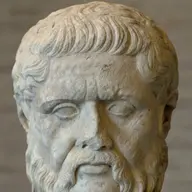 Plato
Plato
c. 360–348 BCE, Athens
Imagine each of us is a clever puppet made by the gods, maybe as a toy, maybe for something serious. We have no idea which.
Plato
c. 360–348 BCE, Athens
Where the law bows to those in power, I see ruin coming. Where officials serve the law, I see a state that will be saved and blessed.
Plato
c. 360–348 BCE, Athens
For gods and people alike, truth is the first of all good things. If you want a happy life, start living by it from childhood.
Xenophon
by c. 354 BCE, Athens
No serious person will laugh when I say even pots and pans look beautiful lined up neatly, however much a joker might.
Plato
c. 353 BCE, Athens
When I was young I felt what many others feel: I thought that as soon as I was my own master, I'd go straight into public life.
Plato
c. 353 BCE, Athens
In no time these men made people miss the old government, and worst of all was how they treated my old friend Socrates, whom I would readily call the most just man alive.
Plato
c. 353 BCE, Athens
Then, by bad luck, some powerful men took our friend Socrates to court on an unholy charge, the one he deserved least of anyone.
Plato
c. 353 BCE, Athens
At first I badly wanted to go into politics. But watching everything lurch in every direction, I ended up dizzy.
Plato
c. 353 BCE, Athens
People's troubles won't end until true philosophers take power, or until, by some gift of the gods, the people in power truly become philosophers.
Plato
c. 353 BCE, Athens
I have never written a book on this and never will. It can't be put in words; after long work on it, it lights up in the mind all at once, like a spark.
Plato
by 348 BCE, Athens
I have never written anything on these subjects, and there is no book by Plato. The works under my name belong to a Socrates made handsome and young.
Plato
by 348 BCE, Athens
Plato defined a human as an animal with two legs and no feathers, and people applauded.
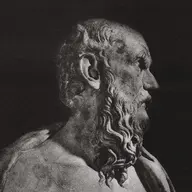 Diogenes
by 348 BCE, Athens
He plucked a chicken, brought it to the lecture and said: here's Plato's human. After that, with broad nails was added to the definition.
Diogenes
by 348 BCE, Athens
Plato had friends over who came from Dionysius. Diogenes walked all over his carpets: I'm trampling on Plato's vanity.
Plato
by 348 BCE, Athens
You show off a lot of pride, Diogenes, by acting like you have none.
Event
c. 348/347 BCE, Athens
Plato dies in Athens in his eighty-first year and is buried at the Academy. One story has him dying at a wedding feast.
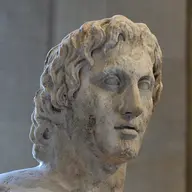 Alexander
c. 350–336 BCE, Macedon
Every time his father took a city or won a battle, he told his friends: Dad will do everything first and leave nothing great for me.
Event
338 BCE, Chaeronea
Philip II's army beats the allied Greeks. His son Alexander, then a young man, fights in the battle.
Diogenes
338 BCE, Philip's camp, after Chaeronea
One story, from Dionysius the Stoic: seized and brought to Philip, he was asked who he was. A spy on your endless greed, he said, and was set free.
Event
336 BCE, Macedon
After Philip II is killed, his son Alexander takes the throne at twenty, with neighbours and Greek cities restless.
Alexander
c. 336 BCE, Craneion, Corinth
Alexander came to see Diogenes, who was lying in the sun, greeted him, and asked if he wanted anything.
Diogenes
c. 336 BCE, Craneion, Corinth
Yes: move over a little, you're blocking my sun.
Alexander
c. 336 BCE, Corinth
His men were laughing at the philosopher. Alexander said: if I weren't Alexander, I would be Diogenes.
Event
335/334 BCE, Athens
Aristotle returns to Athens and teaches in the Lyceum for thirteen years, walking as he talks with his students.
Diogenes
336–323 BCE
Alexander walked up and said: I am Alexander, the great king. And I, he answered, am Diogenes the Cynic.
Alexander
334–323 BCE, Asia, on campaign
You shouldn't have published your private teachings. How will I stand out if everyone knows them? I'd rather excel in knowing the best things than in power.
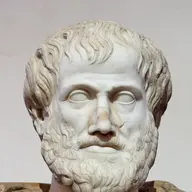 Aristotle
c. 335–322 BCE, Athens (Lyceum)
Happiness takes a whole life. One swallow doesn't make spring, and one good day or a short good spell doesn't make you truly happy.
Aristotle
c. 335–322 BCE, Athens (Lyceum)
You become a builder by building and a harpist by playing. In the same way you become fair, self-controlled or brave by acting that way.
Aristotle
c. 335–322 BCE, Athens (Lyceum)
Anyone can get angry or spend money. Doing it with the right person, the right amount, at the right time, for the right reason, the right way: that's hard.
Aristotle
c. 335–322 BCE, Athens (Lyceum)
Friendship is a virtue, or comes with one, and life can't do without it. No one would pick a life with every other good thing but no friends.
Aristotle
c. 335–322 BCE, Athens (Lyceum)
They take time and closeness. As the saying goes, you can't know someone until you've eaten a lot of salt together.
Aristotle
c. 335–322 BCE, Athens (Lyceum)
It would be strange if fun were the point of life, if we worked hard our whole lives just so we could be entertained.
Aristotle
c. 335–322 BCE, Athens (Lyceum)
Questioning this theory feels wrong, because its authors are our friends. But both friends and truth are dear to us, and our duty is to put truth first.
Aristotle
c. 335–322 BCE, Athens (Lyceum)
The city grows out of nature, and humans are by nature political animals. Someone unfit for society by nature is either less or more than human.
Aristotle
c. 335–322 BCE, Athens (Lyceum)
Someone who can't live with others, or needs no one at all, is no part of a city. They're a beast or a god.
Aristotle
c. 335–322 BCE, Athens (Lyceum)
When many people come together, each brings some goodness and sense. Together they're like one person with many feet, hands and minds.
Aristotle
c. 335–322 BCE, Athens (Lyceum)
What belongs to everyone gets looked after least. People care more about what's theirs than what they share, and neglect the shared things.
Aristotle
c. 335–322 BCE, Athens (Lyceum)
I agree with Socrates that a city should be as united as it can be. But squeeze it too far and it stops being a city: it shrinks to a family, then one person.
Aristotle
c. 335–322 BCE, Athens (Lyceum)
One common reading: a tragedy acts out a serious, complete story in fine language, and through pity and fear it releases those very feelings.
Aristotle
c. 335–322 BCE, Athens (Lyceum)
Poetry is deeper and higher than history: poetry tends to say what's true in general, history what happened in one case.
Aristotle
c. 335–322 BCE, Athens (Lyceum)
If a poem isn't true to life, the poet might say it shows things as they should be. Sophocles said he drew people as they should be; Euripides, as they are.
Aristotle
c. 335–322 BCE, Athens (Lyceum)
The greatest gift by far is a talent for metaphor. No one can teach it; it marks genius, because good metaphors need an eye for likenesses.
Event
323 BCE, Babylon
Alexander falls ill with a fever and dies in Babylon about ten days later.
Event
c. 324–321 BCE, Corinth
Diogenes dies at Corinth, nearly ninety by one account. One ancient writer says it was the same day Alexander died; modern scholars think that is likely legend.
Diogenes
by 323 BCE, Athens
He asked someone to find him a small house. It was taking too long, so he moved into the tub at the Metroön instead.
Diogenes
by 323 BCE
He saw a child drinking from his hands and threw away his own cup: a child has beaten me at living simply.
Diogenes
by 323 BCE
He walked around in broad daylight carrying a lit lamp, saying: I'm looking for a human being.
Diogenes
by 323 BCE
Asked where he was from, he said: I'm a citizen of the world.
Diogenes
by 323 BCE
Mocked for being exiled, he said exile is what made him a philosopher. They banished me? I sentenced them to stay home.
Diogenes
by 323 BCE, Crete
At the auction, asked what he was good at, he said: ruling people. Then he pointed at a man in a fine purple-bordered robe: sell me to him, he needs a master.
Diogenes
by 323 BCE
Told he was old and should rest, he said: if I were running a race, would I slow down near the finish? Shouldn't I speed up?
Diogenes
by 323 BCE
He asked a statue for money. Why? To get practice at being turned down.
Event
322 BCE, Chalcis
Facing a charge of impiety, Aristotle leaves Athens for Chalcis and dies there the next year.
Nothing here yet for the 220 years from 322 BCE to 100 BCE.
Cato the Younger
c. 90 BCE
From childhood, it is said, he was stubborn, calm and unshakeable. He was cold to flatterers and even tougher with anyone who tried to scare him.
Nothing here for 85–76 BCE
Event
73–71 BCE, Italy
Escaped gladiators led by Spartacus raise an army of slaves and beat several Roman armies before Crassus crushes them. Plutarch says the young Cato served in the war as a volunteer.
Nothing here for 70–66 BCE
Event
63 BCE, Rome (the Senate)
Catiline plans to seize power by force. The consul Cicero denounces him in the Senate, and Catiline leaves Rome to join his army.
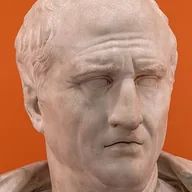 Cicero
63 BCE, Rome (the Senate)
Catiline, when will you stop abusing our patience? How long will your madness keep mocking us? When will your reckless swagger end?
Cicero
63 BCE, Rome (the Senate)
What times we live in! The Senate knows all this, the consul sees it, and still this man is alive. He even comes into the Senate.
Cicero
63 BCE, Rome (the Senate)
The consul orders an enemy to leave the city. Are you being exiled? I am not ordering it. But if you want my advice, I advise it.
Cicero
63 BCE, Rome
He is gone, he has left, he has vanished, he has rushed out. That monster can no longer plot against this city from inside its walls.
Cicero
63 BCE, Rome
Romans, today you see the republic, your lives, families and this beautiful city saved from fire and sword, by the gods and by my work and risks.
Cicero
63 BCE, Rome (the Senate)
If something happens to me, I will die calm and ready. Death cannot shame a brave man, come too soon for a consul, or make a wise man miserable.
Cicero
63 BCE, Rome (the Forum)
Seeing plotters in the forum still hoping the men were alive and could be rescued, he shouted that they had lived: the Roman way of saying someone is dead.
Cato the Younger
63 BCE, Rome (the Senate)
The note turned out to be a love letter from his sister to Caesar. He threw it to Caesar, called him a drunk, and went on with his speech.
Event
c. 60 BCE, Rome
Caesar reconciles the two most powerful men in Rome, Pompey and Crassus, and the three work together to get what each wants. Historians later call it the First Triumvirate.
Cato the Younger
59 BCE, Rome (the Forum)
Only Cato spoke against the law, and Caesar had him dragged off to prison. He kept talking on the way, urging people to stop laws like this.
Event
58–50 BCE, Gaul
As governor, Caesar fights the peoples of Gaul for eight years and brings the whole country under Rome. He tells the story himself, in the third person.
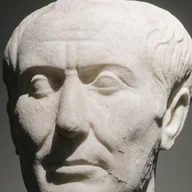 Julius Caesar
58 BCE, Gaul
Gaul is split into three parts, each held by a different people. They all differ in language, customs and laws.
Cicero
58–57 BCE
Many visited him and Greek cities sent envoys, yet he spent most of his time in grief, gazing toward Italy like a heartbroken lover.
Event
55–54 BCE, Britain
Caesar takes two expeditions to Britain. He wins battles and takes hostages but leaves no army behind. He writes that his eagle-bearer led the men off the ships.
Julius Caesar
55 BCE, Gaul
Even if there was too little of the season left for a war, just landing on the island would teach me about its people, harbours and landing places.
Julius Caesar
55 BCE, Britain
The soldier carrying the legion’s eagle shouted for the others to jump unless they wanted to lose it to the enemy, then leapt from the ship himself.
Julius Caesar
54 BCE, Britain
The Britons all dye themselves blue with woad, which makes them look more frightening in battle. They wear their hair long.
Event
52 BCE, Alesia
Caesar surrounds the Gallic leader Vercingetorix in the hill town of Alesia and beats off a relief army. The Gauls hand Vercingetorix over.
Julius Caesar
52 BCE, Alesia
The townspeople were sent out with their wives and children. Weeping, they begged the soldiers to take them as slaves and feed them. I posted guards and refused them.
Julius Caesar
52 BCE, Alesia
They sent envoys to me. I ordered their weapons and leaders handed over, sat in front of my camp, and they gave up Vercingetorix.
Cato the Younger
c. 50 BCE, Rome (the Senate)
Now, Cato shouted, what I warned you about is happening. The man is finally using force, with armies he got by cheating the state.
Event
49 BCE, the Rubicon
Caesar leads his army over the river that marked the edge of his province, which the law forbade. It starts a civil war with Pompey and the Senate.
Julius Caesar
49 BCE, Italy
I have always put the honour of the state first, above my own life. I was angry that my enemies were snatching back what the people had granted me.
Julius Caesar
49 BCE, the Rubicon
At the river that bordered his province, he stopped to think, then said: we can still turn back, but once we cross this little bridge, we have to fight it out.
Julius Caesar
49 BCE, the Rubicon
At last, as if giving up on calculation, he said what people say before a reckless plunge, let the die be cast, crossed the river and took Ariminum before dawn.
Event
48 BCE, Pharsalus
In Greece, Caesar's smaller army routs Pompey's. Pompey flees to Egypt. Plutarch says Caesar groaned at the dead and blamed his enemies.
Event
48–47 BCE, Alexandria
Following Pompey to Egypt, Caesar finds him already killed. He backs Cleopatra against her brother, fights a war in Alexandria and makes her queen.
Julius Caesar
48 BCE, Pharsalus
I told my men I never wanted to waste their blood. They were eager to fight, and I had the trumpet sound the attack.
Julius Caesar
48 BCE, Egypt
He was greeted politely, drawn in because he knew a man who had once served under him, stepped into a small boat with a few friends, and was murdered.
Julius Caesar
47 BCE, Asia Minor
He won a big battle fast and wiped out the enemy army. Writing home to a friend, he summed it up in three words: came, saw, conquered.
Event
46 BCE, Utica
After Caesar beats the Republicans in Africa, Cato takes his own life at Utica. Plutarch says the first wound was not enough and he tore it open again.
Cato the Younger
46 BCE, Utica
In bed he read Plato's dialogue on the soul. Looking up, he saw his sword was gone (his son had taken it) and asked a servant who took it.
Cato the Younger
46 BCE, Utica
A child brought the sword. He checked it was sharp and said: Now I am my own master. Then he went back to his book, said to have read it twice.
Cato the Younger
46 BCE, Utica
When he came to and saw what was happening, he pushed the doctor away, tore the wound open with his own hands, and died.
Julius Caesar
46 BCE
We are told that on hearing Cato was dead, he said only this: Cato, I resent your death, because you denied me the chance to spare your life.
Event
44 BCE, Rome (the Senate)
A group of senators led by Brutus and Cassius kill Caesar at a Senate meeting. Suetonius, writing over a century later, counts the wounds.
Julius Caesar
44 BCE, Rome
At dinner the talk turned to what kind of death is best. Before anyone else could answer, he said: the one you don’t see coming.
Julius Caesar
44 BCE, Rome (the Senate)
Ignoring the bad omens, he walked in and teased the soothsayer: the Ides have come and nothing happened. The reply: they have come, but not passed.
Julius Caesar
44 BCE, Rome (the Senate)
He was stabbed 23 times, groaning at the first blow without a cry. Some writers say that when Brutus attacked, he said: you too? You, my son!
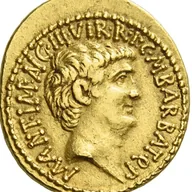 Mark Antony
44 BCE, Rome (the Forum)
He gave the funeral speech for Caesar. Seeing the crowd moved, he mixed in grief and anger, and at the end held up Caesar’s bloody, slashed clothes.
Cicero
44 BCE, written later
As Plato put it so well, we are not born just for ourselves. Our country has a claim on us, and so do our friends.
Cicero
44 BCE, written later
Wrong is done by force or by trickery. Both are beastly: trickery seems the fox's way, force the lion's. Both are beneath us, but trickery is worse.
Cicero
44 BCE, written later
When I ran the state, didn't weapons give way to civilian rule? The republic was never in more danger, and never more at peace.
Cicero
44 BCE, written later
Cato was unbelievably stern by nature and never wavered from his purpose. For a man like him, dying was right rather than facing a tyrant.
Cicero
44 BCE, written later
We just learned that no amount of power can survive the hatred of the many. This tyrant's death shows it, though the state still obeys him.
Cicero
44 BCE, written later, Italy
Armed treason keeps me out of politics and the courts, so I have time on my hands. I have left the city and wander the country, often alone.
Event
43 BCE, Italy
Put on the list of the proscribed by Antony, Cicero is caught by soldiers on the coast. His head and hands are cut off and shown in Rome.
Cicero
43 BCE, Italy
Holding his chin in his left hand as he always did, worn out and unkempt, he stared at his killers. Most of those watching covered their faces.
Event
42 BCE, Philippi
In two battles in northern Greece, Antony and Octavian beat Brutus and Cassius. Both of Caesar's killers take their own lives.
Mark Antony
c. 41–40 BCE, Alexandria
There he lived for fun like an idle young man, spending on pleasures what one writer called the costliest thing of all: time.
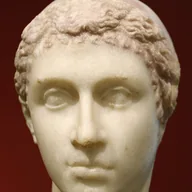 Cleopatra
41 BCE, Asia Minor
He kept writing to summon her. She laughed at him and sailed up the river in a barge with a gilded stern with purple sails and silver oars, to music.
Cleopatra
41 BCE, Asia Minor
Her looks alone were not stunning, people said. It was talking with her that was irresistible: her presence, her persuasiveness, her character.
Cleopatra
c. 41–40 BCE, Alexandria
She had a servant hook a salted fish on his line; everyone laughed, and she told him: leave fishing to the fishermen; your sport is hunting cities, kingdoms and continents.
Nothing here for 40–36 BCE
Event
31 BCE, Actium
Off the west coast of Greece, Octavian's navy under Agrippa defeats Antony and Cleopatra, who escape to Egypt.
Mark Antony
31 BCE, Actium
He was taken aboard her ship, but they did not see each other. He sat alone at the front in silence, holding his head in his hands.
Mark Antony
c. 31–30 BCE, Alexandria
They closed their party club and started a new one, just as lavish, called Partners in Death. Their friends joined as people who would die together.
Event
30 BCE, Alexandria
With Octavian at Alexandria, Antony falls on his sword and Cleopatra dies days later. Plutarch tells the asp story and says no one knows how she died.
Mark Antony
30 BCE, Alexandria
Believing the message, he said: I am not sad to lose you, Cleopatra, since I will join you soon. I am sad that a woman was braver than me.
Mark Antony
30 BCE, Alexandria
He told her to look after her own safety and not mourn him: he had been great and powerful, and was beaten honourably, a Roman by a Roman.
Cleopatra
by 30 BCE
Her voice was sweet, and she could switch to almost any language. She rarely needed an interpreter and answered most foreign visitors herself.
Cleopatra
30 BCE, Alexandria
These are my last offerings to you. Nothing parted us in life, but in death we may swap places: you buried here, and me in Italy.
Cleopatra
30 BCE, Alexandria
It is said a snake was hidden under figs and leaves. When she saw it, she said: there it is, and held out her arm for the bite.
Event
27 BCE, Rome (the Senate)
The Senate gives Octavian the new name Augustus. He keeps the forms of the Republic but holds the power, and is counted as Rome's first emperor.
Tacitus
c. 30–20 BCE, Rome
He won soldiers with gifts, the people with cheap grain and everyone with peace, and bit by bit took the powers of Senate, officials and laws.
Nothing here for 20 BCE – 4 CE
Event
9 CE, Germania
Germanic tribes led by Arminius ambush Varus and his three legions in the Teutoburg Forest. Rome stops pushing east of the Rhine.
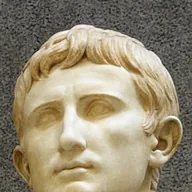 Augustus
set in 9 CE, Rome
We are told he was so shaken that he let his hair and beard grow for months and sometimes banged his head on the door, crying: Varus, give me back my legions!
Tacitus
c. 10–14 CE, Rome
All was calm and the old titles remained, but a generation had grown up since the victory at Actium. So few had ever seen the republic!
Event
14 CE, Campania
Augustus dies at 75, near Naples. Suetonius says he asked his friends whether he had played his part well.
Event
14 CE, Rome
Augustus' stepson Tiberius takes over. Tacitus says senators hurried to swear loyalty, careful not to look glad or sorry.
Augustus
by 14 CE
He thought rushing was the worst fault in a general. His sayings: hurry slowly; a careful captain beats a bold one; done well is done fast enough.
Augustus
by 14 CE
Never start a fight unless what you can win outweighs what you can lose. Risking a lot for a little is fishing with a golden hook.
Augustus
by 14 CE, Rome
The city was not grand enough for the empire and was prone to floods and fires. He improved it so much that he boasted he found it brick and left it marble.
Augustus
by 14 CE, Rome
Let me set the state on solid ground, be remembered for shaping it for these times, and die hoping what I built will last.
Augustus
set in 14 CE, Campania
Did I play my part in life well? If so, clap for the actor, and do it gladly.
Augustus
set in 14 CE, Campania
He died suddenly while Livia kissed him: Livia, remember our marriage, and goodbye. It was the easy death he had always wanted.
Tacitus
set in 14 CE, Rome
Yes, peace came after all that, but it was a peace soaked in blood, with disasters, and murders in Rome itself.
Nothing here for 15–39 CE
Event
41 CE, Rome
Officers of the Praetorian Guard stab the emperor Caligula at the Palatine games. The guards make his uncle Claudius emperor.
Event
43 CE, Britain
Claudius sends an army under Aulus Plautius to Britain and crosses over himself for a few days. Suetonius says part of the island gave in without a fight.
Nothing here for 45–54 CE
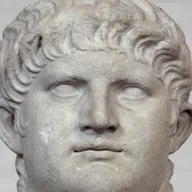 Nero
Nero
c. 54–56 CE, Rome (the Senate)
When the Senate thanked him for ruling well, he said: thank me when I have earned it.
Nero
c. 54–56 CE, Rome
Asked to sign a death sentence, he said he wished he had never learned to read and write.
Event
c. 60–61 CE, Britain
After Romans flog her and abuse her daughters, Boudica, queen of the Iceni, leads a revolt that burns Camulodunum, London and Verulamium before Rome wins.
Boudica
set in c. 60/61 CE, Britain
With her daughters in her chariot, she went from tribe to tribe, saying Britons were used to going to war led by women.
Boudica
set in c. 60/61 CE, Britain
I am not fighting as a noblewoman but as one of the people, for our lost freedom, my whipped body, and the violated honour of my daughters.
Boudica
set in c. 60/61 CE, Britain
The gods are with a just revenge. One legion that dared fight us is dead. The rest are hiding in camp or thinking about running.
Boudica
set in c. 60/61 CE, Britain
Think it through and you will see: in this battle we win or die. That is what a woman has decided. Men can live as slaves if they like.
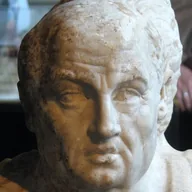 Seneca
62 CE, Rome
I am old and cannot carry the weight of my wealth any more. Please take my property into your estate. I need relief.
Nero
62 CE, Rome
Why not stay and guide me if I go wrong? If you hand back your wealth and leave, people will not praise you. They will talk of my greed and cruelty.
Tacitus
62 CE, Rome
The emperor hugged and kissed him, being born and trained to hide hatred behind flattery. Seneca thanked him, which is how talks with a tyrant end.
Seneca
c. 62–65 CE
Time is the only thing that is really ours, and it is so slippery that anyone who wants to can take it from us.
Seneca
c. 62–65 CE
Who values each day and sees that he is dying a little every day? Death is not only ahead of us: the years behind us already belong to it.
Seneca
c. 62–65 CE
Crowds are bad for you: someone always makes a bad habit look good or rubs it off on you without you noticing. The bigger the crowd, the bigger the risk.
Seneca
c. 62–65 CE
Armour and skill would only put off the deaths. In the morning men are thrown to lions and bears; at noon, to the crowd.
Seneca
c. 62–65 CE
People say: they are slaves. No, they are human beings, companions, humble friends. Even fellow slaves, since luck rules the free and the enslaved alike.
Seneca
c. 62–65 CE
We Romans are far too proud, cruel and insulting toward slaves. My advice in short: treat those below you the way you would want those above you to treat you.
Seneca
c. 62–65 CE
Surprised that all that travel and new scenery did not lift your gloom? You need to change what is inside you, not where you are.
Seneca
c. 62–65 CE
More things scare us than actually hurt us. We suffer more often in our heads than in real life.
Seneca
c. 62–65 CE
Nothing matters more than quiet when you shut yourself away to study. Imagine the noise in my ears: I live right above a bathhouse.
Seneca
c. 62–65 CE
I try to live each day as if it were a whole life. I do not grab at it as if it were my last, but I keep in mind that it might be.
Seneca
c. 62–65 CE
You should not always cling to a life like that. Just being alive is not the good thing; living well is. A wise person lives as long as he should, not as long as he can.
Event
64 CE, Rome
A fire starting by the Circus Maximus burns for days. Tacitus says no one knew whether it was an accident or set by Nero, who blamed the Christians.
Nero
by 64 CE
Someone quoted a line: when I am dead, let fire swallow the world. He answered: no, let it happen while I am alive.
Nero
set in 64 CE, Rome
He watched the fire from a tower, said he loved how beautiful the flames looked, and sang a poem about the fall of Troy in stage costume.
Tacitus
set in 64 CE, Rome
Then came a disaster, the worst fire the city had ever had. Whether it was an accident or the emperor's doing is uncertain; writers say both.
Tacitus
set in 64 CE, Rome
What he did, popular as it was, won him nothing, because a rumour was everywhere that while the city burned he sang on a private stage about the fall of Troy.
Tacitus
set in 64 CE, Rome
Nothing stopped the belief that the fire was ordered. So Nero blamed and tortured a hated group the people called Christians.
Tacitus
set in 64 CE, Rome
Though they deserved harsh punishment, people pitied them: they seemed to die not for the public good but for one man's cruelty.
Event
65 CE, Rome
Accused of a plot against Nero, the Stoic Seneca is told to kill himself. Tacitus says he left his friends the pattern of his life.
Event
66 CE, Judaea
Clashes in Caesarea and the governor Florus' looting set off a revolt across Judaea. Josephus fought in it before going over to Rome.
Nero
c. 64–68 CE, Rome
When his grand new house was finished, all the praise he gave it was that now he had a home fit for a human being.
Josephus
set in 67 CE, Judaea
God, since you have brought my people low and handed their luck to Rome, and chose me to tell the future, I surrender and will live. I go as your servant, not a deserter.
Josephus
set in 67 CE, Judaea
He and one other man were left last, by chance or by God. Not wanting to die or to kill his own people, he talked the other man into living too.
Josephus
set in 67 CE, Judaea
Above all, his own courage and the prisoner's patience made Titus pity him. Seeing a fighter suddenly a captive made him think how fast fortune turns in war, and that no one's place is safe.
Josephus
set in 67 CE, Judaea
Why send me to Nero? Will the rulers after Nero, before you, even live? You, Vespasian, are Caesar and emperor, you and your son here.
Event
68 CE, Italy
With the armies in revolt and the Senate against him, Nero flees Rome and takes his own life at a freedman's villa outside the city.
Nero
set in 68 CE, Italy
He had his own grave dug in front of him, crying at every step and saying again and again: what an artist is about to die!
Nero
set in 68 CE, Italy
Half dead, as a soldier pressed a cloak to his wound pretending to help, he said only: too late. Is this your loyalty?
Event
69 CE, Rome
After Nero, Galba, Otho and Vitellius each seize power and fall within months. Vespasian, commanding in Judaea, wins and starts the Flavian dynasty.
Event
70 CE, Jerusalem
After a five-month siege, Vespasian's son Titus storms Jerusalem. The Temple burns, and the city is pulled down.
Josephus
set in 70 CE, Jerusalem
No one mourned or complained. Hunger numbed every feeling: the dying stared dry-eyed at the dead. A deep silence, like a deadly night, lay over the city.
Josephus
set in 70 CE, Jerusalem
Caesar shouted and signalled with his hand for the soldiers to put out the fire. But louder noise drowned him out and they did not hear.
Josephus
set in 70 CE, Jerusalem
The flames reached far and echoed with the groans of the dying. The hill was high and the buildings huge, so it looked like the whole city was burning.
Josephus
set in 70 CE, Jerusalem
Anyone would be right to mourn it, the most wonderful building we ever saw or heard of, rich and holy. Yet one can take comfort that fate decreed it, and fate cannot be escaped.
Josephus
set in 71 CE, Rome
On display: a happy land laid waste, whole ranks of enemies killed, some fleeing, some taken captive, and great high walls smashed by siege machines.
Event
c. 73–74 CE, Masada
Rome builds a ramp to the desert fortress of Masada. Josephus says the defenders killed one another rather than be taken, and counts the dead.
Josephus
c. 71–75 CE, Rome
He put the gold vessels and tools taken from the Jewish temple there as trophies. But their Law and the purple curtains of the holy place he had kept in the palace.
Josephus
set in c. 73–74 CE, Masada
Friends, long ago we resolved to serve no one, not the Romans, only God, the one true Lord. Now the time has come to live up to that.
Josephus
set in c. 73–74 CE, Masada
We were the first to rebel against them and are the last still fighting. I count it God's gift that we can still die bravely and free, unlike others caught off guard.
Josephus
set in c. 73–74 CE, Masada
Inside they found the many dead and took no joy in it, though these were their enemies. They could only marvel at how firmly so many had faced death.
Josephus
c. 75–79 CE
I, Joseph son of Matthias, a Hebrew and a priest, fought the Romans at first, and was then forced to watch what happened after.
Josephus
c. 75–79 CE
If you still blame me, take the facts as the history, and the grieving as mine alone.
Event
79 CE, Pompeii
Mount Vesuvius erupts in the first year of Titus' reign and buries Pompeii and Herculaneum under ash.
Event
80 CE, Rome
The great amphitheatre begun by Vespasian is finished and dedicated by his son Titus with games. Suetonius does not give the year.
Event
c. 83–84 CE, Caledonia
The governor Agricola marches into what is now Scotland and wins a battle in the north. Tacitus was his son-in-law.
Calgacus
set in c. 83 CE, Caledonia
When I think about why we are fighting and where we stand, I am sure today, and you standing together, will begin freedom for all of Britain.
Calgacus
set in c. 83 CE, Caledonia
They rob the whole world. Rich or poor, nothing satisfies them. They call theft and killing an empire; they make a wasteland and call it peace.
Calgacus
set in c. 83 CE, Caledonia
A slave is sold once and fed by his owner. Britain pays for and feeds its own slavery every day.
Calgacus
set in c. 83 CE, Caledonia
Fear holds them together, and fear is a weak glue. Take it away, and people who stop being afraid start to hate.
Nothing here for 85–94 CE
Tacitus
c. 98 CE
An earlier age saw total freedom; we saw total slavery, with informers stopping all talk. We would have lost memory too, if forgetting were as easy as silence.
Tacitus
c. 98 CE
Even Nero looked away from the horrors he ordered. Under Domitian the worst part was being watched, knowing even our sighs were written down.
Nothing here for 100–104 CE
Epictetus
c. 108 CE, Nicopolis
Who should we listen to, you or Socrates? He said his accusers could kill him but could not hurt him. And: if God wants it this way, so be it.
Epictetus
c. 108 CE, Nicopolis
I have to die, be chained, be sent away. Do I have to moan about it too? Can anyone stop me going with a smile?
Epictetus
c. 108 CE, Nicopolis
You will chain me? You can chain my leg. My will, not even Zeus can overpower.
Epictetus
c. 108 CE, Nicopolis
What else can a lame old man do but sing to God? If I were a nightingale, I would sing like one. But I am a thinking being, so praising God is my job.
Epictetus
c. 108 CE, Nicopolis
Every habit grows by doing it: walking by walking, running by running. Want to be a good reader? Read. A writer? Write.
Epictetus
c. 108 CE, Nicopolis
The first job of anyone doing philosophy is to drop the belief that they already know. You cannot start learning what you think you know.
Nothing here for 110–114 CE
Event
117 CE, Asia Minor
Trajan conquers Dacia and pushes into Mesopotamia. When he dies, the Roman Empire covers more land than it ever will again.
Tacitus
c. 115–120 CE
The histories of the emperors from Tiberius to Nero were faked out of fear while they lived, and written in fresh hatred after. I will tell it without anger or favour.
Event
122 CE, Britain
The emperor Hadrian has a stone wall built coast to coast across Britain, marking where Roman rule stops.
Nothing here for 125–134 CE
Epictetus
by c. 135 CE, Nicopolis
Some things are up to us and some are not. Our opinions, urges, wants and dislikes are. Our body, property, reputation and position are not.
Epictetus
by c. 135 CE, Nicopolis
What upsets people is not what happens but what they think about it. Death is not terrible, or Socrates would have found it so. Thinking it terrible is the terrible part.
Epictetus
by c. 135 CE, Nicopolis
Do not ask for things to happen the way you want. Want them to happen the way they do, and your life will flow calmly.
Epictetus
by c. 135 CE, Nicopolis
Everything has a handle you can carry it by and one you cannot. If your brother wrongs you, do not grab the wrong. Grab the fact that he is your brother, raised with you.
Nothing here for 140–164 CE
Event
165–180 CE, the Roman Empire
Troops returning from the east bring a disease, probably smallpox, that kills millions. Wikipedia cites a line of Marcus' Meditations as an echo of it.
Event
170–180 CE, Carnuntum
Fighting the tribes along the Danube, the emperor keeps a private notebook in Greek. Some books end with where he was.
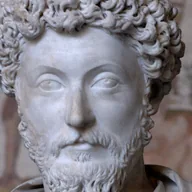 Marcus Aurelius
c. 170–180 CE, the Danube frontier
He taught me to read carefully, not skim, and not to agree too fast with people who talk a lot. And he gave me the discourses of Epictetus from his own collection.
Marcus Aurelius
c. 170–180 CE, the Danube frontier
From my mother: devotion and kindness, keeping away from bad deeds and even bad thoughts, and living simply, far from the ways of the rich.
Marcus Aurelius
c. 170–180 CE, Carnuntum
Start each morning telling yourself: today I will meet nosy, ungrateful, arrogant, lying, jealous, unfriendly people. They are like that because they do not know good from bad.
Marcus Aurelius
c. 170–180 CE, Carnuntum
We are made to work together, like feet, hands, eyelids, upper and lower teeth. Working against each other goes against nature, and getting annoyed and turning away counts.
Marcus Aurelius
c. 170–180 CE, Carnuntum
Even if you lived thousands of years, you only ever lose the life you are living now. So the longest and the shortest life come to the same.
Marcus Aurelius
c. 170–180 CE, Carnuntum
A human life is a dot in time. Everything in it keeps changing, our senses are dull, the body rots, the mind spins, luck is hard to read and fame is thoughtless.
Marcus Aurelius
c. 170–180 CE
Time is a river of events, a rushing one. As soon as something shows up it is swept away, the next thing takes its place, and that goes too.
Marcus Aurelius
c. 170–180 CE
Do not act as if you will live ten thousand years. Death hangs over you. While you are alive and still can, be good.
Marcus Aurelius
c. 170–180 CE
Think back to Vespasian’s time: people marrying, raising kids, getting sick, fighting, feasting, plotting, grumbling, chasing power. All of that life is gone now.
Marcus Aurelius
c. 170–180 CE
When you do not want to get up, think: I am getting up to do a human being’s work, what I exist for. Was I made to lie under the covers keeping warm?
Marcus Aurelius
c. 170–180 CE
The best way to get back at someone who wronged you is not to become like them.
Event
180 CE, the Danube frontier
Marcus dies near the Danube front while still at war. His son Commodus becomes sole emperor.