hstry

Aspasia's speech on wealth and cowardice

c. 386 BCE, Athens. As Plato tells it, through Socrates; many read the Menexenus as satire.

Where and when

c. 386 BCEAthens

about 2,411 years ago

Explore
Aspasia, c. 470 – after 428 BCE3000 BCE2900 BCE2800 BCE2700 BCE2600 BCE2500 BCE2400 BCE2300 BCE2200 BCE2100 BCE2000 BCE1900 BCE1800 BCE1700 BCE1600 BCE1500 BCE1400 BCE1300 BCE1200 BCE1100 BCE1000 BCE900 BCE800 BCE700 BCE600 BCE500 BCE400 BCE300 BCE200 BCE100 BCE1 CE100 CE200 CE300 CE400 CE500 CE600 CE700 CE800 CE900 CE1000 CE1100 CE1200 CE1300 CE1400 CE1500 CE1600 CE1700 CE1800 CE1900 CE2000 CEGreat Pyramid of Giza built, c. 2600 BCERome founded (traditional date), 753 BCELast western Roman emperor deposed, 476 CEGutenberg's printing press, c. 1440 CEColumbus reaches the Americas, 1492 CEFirst people on the Moon, 1969 CEToday, 2026

Swipe the line. Bars: entries. Dots: events.

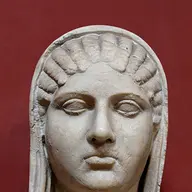
Aspasia

, AthensAs Plato tells it, through Socrates; many read the Menexenus as satire

In plain words, ours

Money brings a coward no honour. Looks and strength only make a coward easier to notice.

For neither does wealth bring honor to its possessor if combined with cowardice—for such an one is rich for another rather than for himself,—nor do beauty and strength appear comely, but rather uncomely, when they are attached to one that is cowardly and base, since they make their possessor more conspicuous and show up his cowardice;

Plato, Menexenus 246eTranslated by R. G. Bury (1929)Read the full passage (Plato, Menexenus 246e, opens scaife.perseus.org)

What was going on, our summary

In Plato's Menexenus, which many read as satire, Socrates recites a speech given as Aspasia's. In it, men who chose to die bravely rather than live in shame are imagined speaking to their own children.

Checked claim by claim against: the passage around the quote.

Related moments

In time order, with this one in its place. Each says why it is here.

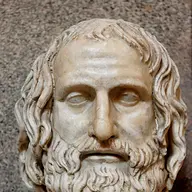
  1. c. 420–413 BCEabout 31 years earlier Orestes on judging a man's worth Also about wealth, poverty and luck
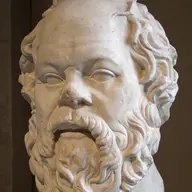
  2. by 399 BCEabout 13 years earlier Socrates on having no wants Also about wealth, poverty and luck
  3. set in 399 BCEabout 13 years earlier Socrates on the unexamined life Also about how to live well
  4. c. 387 BCE1 year earlier Plato starts teaching at the Academy Also in Athens
  5. c. 386 BCEThis momentAspasia's speech on wealth and cowardice
  6. c. 386 BCEAbout the same year Aspasia's speech on how a state shapes men More from Aspasia
  7. c. 386 BCEAbout the same year Aspasia's speech on how Athens is ruled More from Aspasia
  8. c. 386 BCEAbout the same year Aspasia's speech on grieving too much Same passageMore from Aspasia
  9. c. 386 BCEAbout the same year Socrates on Aspasia's funeral speech Also in Athens
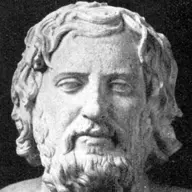
  10. c. 399–354 BCEDuring it Xenophon on Socrates' death Also in Athens
  11. c. 371–354 BCEabout 24 years later Xenophon on Socrates and appetite Also about how to live well

Just before and after

The text around the quote, word for word from the same translation.

Show the passageHide the passage

You must, however, imagine that you are hearing from their own lips the message which I shall deliver. This, then, is what they said: O children, that ye are born of valiant sires is clearly shown by the facts now before you: we, who might have ignobly lived choose rather to die nobly, before we bring you and those after you to disgrace, and before we bring shame upon our own fathers and all our earlier forebears, since we deem that life is unworthy to be lived for the man who brings shame upon his own, and that such an one has no friend amongst gods or man, either here on earth, or under the earth when he is dead. Wherefore ye must bear in mind our words, and whatsoever else ye practice ye must practice it in union with valor, being well assured that when divorced from this all possessions and pursuits are base and ignoble.

The quote: For neither does wealth bring honor to its possessor if combined with cowardice—for such an one is rich for another rather than for himself,—nor do beauty and strength appear comely, but rather uncomely, when they are attached to one that is cowardly and base, since they make their possessor more conspicuous and show up his cowardice;

Soc. and every form of knowledge when sundered from justice and the rest of virtue is seen to be plain roguery rather than wisdom. For these reasons do ye make it your endeavor, first and last and always, in every way to show all zeal that ye may exceed, if possible, both us and those who went before us in renown; but if not, be ye well assured that if we vanquish you in virtue our victory brings us shame, whereas, if we are defeated, our defeat brings happiness.

Plato, Menexenus 246c–247aTranslated by R. G. Bury (1929)Read the full passage (opens scaife.perseus.org)

When, and whose words

Date
c. 386 BCE. The Menexenus speech covers events down to the King's Peace (387/386 BCE), years after Socrates died in 399, so the scene is anachronistic; Plato wrote it c. 386–380 BCE.
Whose words
As Plato tells it, through Socrates; many read the Menexenus as satire. Who was Aspasia?
How this post was checked
  • The plain-words line was read against the quote alone by a second, independent pass, which found it adds no claim the quote does not make (2026-10-03).
  • Each claim in the summary was checked by an independent pass against only the material it cites.
  • The quote itself is checked by the build: word for word, once, at the cited section of the stored translation.

See it among its momentsMore from AspasiaSee it in the feed