hstry

Aspasia's speech on grieving too much

c. 386 BCE, Athens. As Plato tells it, through Socrates; many read the Menexenus as satire.

Where and when

c. 386 BCEAthens

about 2,411 years ago

Explore
Aspasia, c. 470 – after 428 BCE3000 BCE2900 BCE2800 BCE2700 BCE2600 BCE2500 BCE2400 BCE2300 BCE2200 BCE2100 BCE2000 BCE1900 BCE1800 BCE1700 BCE1600 BCE1500 BCE1400 BCE1300 BCE1200 BCE1100 BCE1000 BCE900 BCE800 BCE700 BCE600 BCE500 BCE400 BCE300 BCE200 BCE100 BCE1 CE100 CE200 CE300 CE400 CE500 CE600 CE700 CE800 CE900 CE1000 CE1100 CE1200 CE1300 CE1400 CE1500 CE1600 CE1700 CE1800 CE1900 CE2000 CEGreat Pyramid of Giza built, c. 2600 BCERome founded (traditional date), 753 BCELast western Roman emperor deposed, 476 CEGutenberg's printing press, c. 1440 CEColumbus reaches the Americas, 1492 CEFirst people on the Moon, 1969 CEToday, 2026

Swipe the line. Bars: entries. Dots: events.

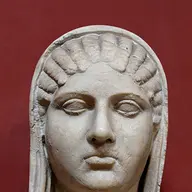
Aspasia

, AthensAs Plato tells it, through Socrates; many read the Menexenus as satire

In plain words, ours

Someone who relies on himself will not be seen overjoyed or overcome by grief.

…because he puts his trust in himself, he will neither be seen rejoicing nor yet grieving overmuch.

Plato, Menexenus 248aTranslated by R. G. Bury (1929)Read the full passage (Plato, Menexenus 248a, opens scaife.perseus.org)

What was going on, our summary

In Plato's Menexenus, which many read as satire, Socrates repeats a speech credited to Aspasia. In it, men who must die speak to their fathers, asking them not to grieve too much.

Checked claim by claim against: the passage around the quote.

Related moments

In time order, with this one in its place. Each says why it is here.

  1. set in 399 BCEabout 13 years earlier Socrates on the unexamined life Also about how to live well
  2. c. 387 BCE1 year earlier Plato starts teaching at the Academy Also in Athens
  3. c. 386 BCEThis momentAspasia's speech on grieving too much
  4. c. 386 BCEAbout the same year Aspasia's speech on how a state shapes men More from Aspasia
  5. c. 386 BCEAbout the same year Aspasia's speech on how Athens is ruled More from Aspasia
  6. c. 386 BCEAbout the same year Aspasia's speech on wealth and cowardice Same passageMore from Aspasia
  7. c. 386 BCEAbout the same year Socrates on Aspasia's funeral speech Also in Athens
  8. c. 399–354 BCEDuring it Xenophon on Socrates' death Also in Athens
  9. c. 371–354 BCEabout 24 years later Xenophon on Socrates and appetite Also about how to live well

Just before and after

The text around the quote, word for word from the same translation.

Show the passageHide the passage

But neither of these should they allow; rather should they belaud us most by their actions, showing themselves plainly to be in very truth the manly fathers of us men. That ancient saying, Nothing overmuch is judged to be a noble saying; and in truth it is well said. Soc. For that man is best prepared for life who makes all that concerns his welfare depend upon himself, or nearly so, instead of hanging his hopes on other men, whereby with their rise or fall his own fortunes also inevitably sway up or down: he it is that is temperate, he it is that is courageous and wise he it is that, when gaining or losing riches or children, will best exemplify the proverb; for,

The quote: because he puts his trust in himself, he will neither be seen rejoicing nor yet grieving overmuch.

Of such a character we request our friends to be, and desire them to appear, even as we now display ourselves as such, being neither aggrieved nor alarmed overmuch if so be that at this present crisis we must die.

Plato, Menexenus 247e–248bTranslated by R. G. Bury (1929)Read the full passage (opens scaife.perseus.org)

When, and whose words

Date
c. 386 BCE. The Menexenus speech covers events down to the King's Peace (387/386 BCE), years after Socrates died in 399, so the scene is anachronistic; Plato wrote it c. 386–380 BCE.
Whose words
As Plato tells it, through Socrates; many read the Menexenus as satire. Who was Aspasia?
How this post was checked
  • The plain-words line was read against the quote alone by a second, independent pass, which found it adds no claim the quote does not make (2026-10-03).
  • Each claim in the summary was checked by an independent pass against only the material it cites.
  • The quote itself is checked by the build: word for word, once, at the cited section of the stored translation.

See it among its momentsMore from AspasiaSee it in the feed