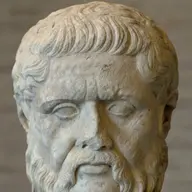
hstry

Xenophon on Socrates and appetite

c. 371–354 BCE, Athens. Xenophon's own words, remembering Socrates.

Where and when

c. 371–354 BCEAthens

about 2,387 years ago

Explore
Xenophon, c. 430 – c. 354 BCE3000 BCE2900 BCE2800 BCE2700 BCE2600 BCE2500 BCE2400 BCE2300 BCE2200 BCE2100 BCE2000 BCE1900 BCE1800 BCE1700 BCE1600 BCE1500 BCE1400 BCE1300 BCE1200 BCE1100 BCE1000 BCE900 BCE800 BCE700 BCE600 BCE500 BCE400 BCE300 BCE200 BCE100 BCE1 CE100 CE200 CE300 CE400 CE500 CE600 CE700 CE800 CE900 CE1000 CE1100 CE1200 CE1300 CE1400 CE1500 CE1600 CE1700 CE1800 CE1900 CE2000 CEGreat Pyramid of Giza built, c. 2600 BCERome founded (traditional date), 753 BCELast western Roman emperor deposed, 476 CEGutenberg's printing press, c. 1440 CEColumbus reaches the Americas, 1492 CEFirst people on the Moon, 1969 CEToday, 2026sometime in these 17 years

Swipe the line. Bars: entries. Dots: events.

Xenophon

, AthensXenophon's own words, remembering Socrates

In plain words, ours

Socrates ate just enough to enjoy it. Hunger was his best sauce, and any drink tasted good because he only drank when thirsty.

He ate just sufficient food to make eating a pleasure, and he was so ready for his food that he found appetite the best sauce: and any kind of drink he found pleasant, because he drank only when he was thirsty.

Xenophon, Memorabilia 1.3.5Translated by E. C. Marchant (1923)Read the full passage (Xenophon, Memorabilia 1.3.5, opens scaife.perseus.org)

What was going on, our summary

Xenophon, remembering Socrates, describes how frugally he lived and how closely he heeded signs from the gods. He adds that Socrates easily avoided overeating at dinners, and joked that Circe turned men into swine with a feast of tempting dishes.

Checked claim by claim against: the passage around the quote.

Related moments

In time order, with this one in its place. Each says why it is here.

  1. c. 367 BCEabout 5 years earlier Aristotle, aged about seventeen, joins Plato's Academy Also in Athens
  2. c. 371–354 BCEThis momentXenophon on Socrates and appetite
  3. c. 371–354 BCEDuring it Xenophon answers the charge against Socrates More from Xenophon
  4. c. 371–354 BCEDuring it Xenophon's verdict on Socrates More from Xenophon
  5. c. 371–354 BCEDuring it Xenophon on how Socrates lived More from Xenophon
  6. c. 360–348 BCEabout 8 years later Plato's Athenian Stranger on law over rulers Also in Athens
  7. c. 360–348 BCEabout 8 years later The Athenian Stranger on puppets of the gods Also in Athens
  8. c. 360–348 BCEabout 8 years later The Athenian Stranger on truth Also about how to live well
  9. by 348 BCEabout 14 years later Diogenes tramples Plato's carpets Also about how to live well

Just before and after

The text around the quote, word for word from the same translation.

Show the passageHide the passage

If ever any warning seemed to be given him from heaven, he would more easily have been persuaded to choose a blind guide who did not know the road in preference to one who could see and knew the way, than to disregard the admonition. All men, in fact, who flouted the warnings of the gods in their anxiety to avoid the censure of men, he denounced for their foolishness. He himself despised all human opinions in comparison with counsel given by the gods. He schooled his body and soul by following, a system which, in all human calculation, would give him a life of confidence and security, and would make it easy to meet his expenses. For he was so frugal that it is hardly possible to imagine a man doing so little work as not to earn enough to satisfy the needs of Socrates.

The quote: He ate just sufficient food to make eating a pleasure, and he was so ready for his food that he found appetite the best sauce: and any kind of drink he found pleasant, because he drank only when he was thirsty.

Whenever he accepted an invitation to dinner, he resisted without difficulty the common temptation to exceed the limit of satiety; and he advised those who could not do likewise to avoid appetizers that encouraged them to eat and drink what they did not want: for such trash was the ruin of stomach and brain and soul. I believe, he said in jest, it was by providing a feast of such things that Circe made swine; and it was partly by the prompting of Hermes, partly through his own self-restraint and avoidance of excessive indulgence in such things, that Odysseus was not turned into a pig.

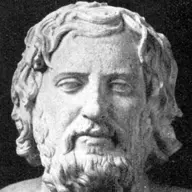
Xenophon, Memorabilia 1.3.4–7Translated by E. C. Marchant (1923)Read the full passage (opens scaife.perseus.org)

When, and whose words

Date
c. 371–354 BCE. Written well after Socrates' death in 399 BCE; often dated c. 371 BCE or later, before Xenophon's death c. 354 BCE.
Whose words
Xenophon's own words, remembering Socrates.
How this post was checked
  • The plain-words line was read against the quote alone by a second, independent pass, which found it adds no claim the quote does not make (2026-10-03).
  • Each claim in the summary was checked by an independent pass against only the material it cites.
  • The quote itself is checked by the build: word for word, once, at the cited section of the stored translation.

See it among its momentsMore from XenophonSee it in the feed