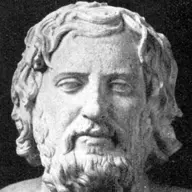
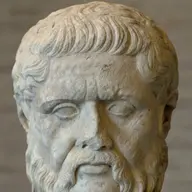
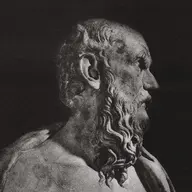
, AthensXenophon's own words, closing the Memorabilia
In plain words, ours
To me he was everything a truly good and happy man should be. If you doubt it, compare other people with him, then decide.
To me then he seemed to be all that a truly good and happy man must be. But if there is any doubter, let him set the character of other men beside these things; then let him judge.
These are Xenophon's closing words in his book about Socrates, written years after Socrates was put to death in 399 BCE. Xenophon has just summed him up as religious, just, self-controlled and wise, and says those who knew him still miss him.
Plato's account of the trial and death inspired writers, artists and philosophers to return to it. Some saw the execution as showing the defects of democracy; others as a justifiable defence of a newly restored democracy.
Based on Wikipedia: Trial of Socrates
Plato's presentation of the trial and death of Socrates inspired writers, artists, and philosophers to revisit the matter.
For some, the execution of the man whom Plato called "the wisest and most just of all men" demonstrated the defects of democracy and of popular rule; for others, the Athenian actions were a justifiable defence of the recently re-established democracy.
The text around the quote, word for word from the same translation.
Show the passageHide the passage
This was the tenor of his conversation with Hermogenes and with the others. All who knew what manner of man Socrates was and who seek after virtue continue to this day to miss him beyond all others, as the chief of helpers in the quest of virtue. For myself, I have described him as he was: so religious that he did nothing without counsel from the gods; so just that he did no injury, however small, to any man, but conferred the greatest benefits on all who dealt with him; so self-controlled that he never chose the pleasanter rather than the better course; so wise that he was unerring in his judgment of the better and the worse, and needed no counsellor, but relied on himself for his knowledge of them; masterly in expounding and defining such things; no less masterly in putting others to the test, and convincing them of error and exhorting them to follow virtue and gentleness.
The quote: To me then he seemed to be all that a truly good and happy man must be. But if there is any doubter, let him set the character of other men beside these things; then let him judge.
c. 371–354 BCE. Written well after Socrates' death in 399 BCE; often dated c. 371 BCE or later, before Xenophon's death c. 354 BCE.
Whose words
Xenophon's own words, closing the Memorabilia.
How this post was checked
The plain-words line was read against the quote alone by a second, independent pass, which found it adds no claim the quote does not make (2026-10-03).
Each claim in the summary was checked by an independent pass against only the material it cites.
The quote itself is checked by the build: word for word, once, at the cited section of the stored translation.