hstry

Xenophon on how Socrates faced death

c. 371–354 BCE, Athens. Xenophon's own words, remembering Socrates.

Where and when

c. 371–354 BCEAthens

about 2,387 years ago

Explore
Xenophon, c. 430 – c. 354 BCE3000 BCE2900 BCE2800 BCE2700 BCE2600 BCE2500 BCE2400 BCE2300 BCE2200 BCE2100 BCE2000 BCE1900 BCE1800 BCE1700 BCE1600 BCE1500 BCE1400 BCE1300 BCE1200 BCE1100 BCE1000 BCE900 BCE800 BCE700 BCE600 BCE500 BCE400 BCE300 BCE200 BCE100 BCE1 CE100 CE200 CE300 CE400 CE500 CE600 CE700 CE800 CE900 CE1000 CE1100 CE1200 CE1300 CE1400 CE1500 CE1600 CE1700 CE1800 CE1900 CE2000 CEGreat Pyramid of Giza built, c. 2600 BCERome founded (traditional date), 753 BCELast western Roman emperor deposed, 476 CEGutenberg's printing press, c. 1440 CEColumbus reaches the Americas, 1492 CEFirst people on the Moon, 1969 CEToday, 2026sometime in these 17 years

Swipe the line. Bars: entries. Dots: events.

Xenophon

, AthensXenophon's own words, remembering Socrates

In plain words, ours

It's agreed there is no record of anyone facing death more nobly. He had to live thirty days after the verdict, because the law allowed no public execution until the sacred mission came back from Delos.

In fact it is admitted that there is no record of death more nobly borne. For he was forced to live for thirty days after the verdict was given, because it was the month of the Dêlia, and the law did not allow any public execution to take place until the sacred embassy had returned from Delos.

Xenophon, Memorabilia 4.8.2Translated by E. C. Marchant (1923)Read the full passage (Xenophon, Memorabilia 4.8.2, opens scaife.perseus.org)

What was going on, our summary

Xenophon, writing years after Socrates was condemned to death in 399 BCE, is remembering how he died. He argues Socrates was already old and won glory by how calmly and bravely he faced his sentence.

Checked claim by claim against: Socrates is tried, condemned and put to death, the passage around the quote.

Why it matters

About the event it belongs to: Socrates is tried, condemned and put to death

Plato's account of the trial and death inspired writers, artists and philosophers to return to it. Some saw the execution as showing the defects of democracy; others as a justifiable defence of a newly restored democracy.

Based on Wikipedia: Trial of Socrates

Plato's presentation of the trial and death of Socrates inspired writers, artists, and philosophers to revisit the matter.

For some, the execution of the man whom Plato called "the wisest and most just of all men" demonstrated the defects of democracy and of popular rule; for others, the Athenian actions were a justifiable defence of the recently re-established democracy.

Wikipedia, Trial of Socrates (opens en.wikipedia.org), as of 2026-10-01. Text CC BY-SA 4.0. Our line is checked against these sentences only.

Related moments

In time order, with this one in its place. Each says why it is here.

  1. 399 BCEabout 37 years earlier Socrates is tried, condemned and put to death The event behind it
  2. set in 399 BCEabout 37 years earlier The charge Meletus swore against Socrates Also about the trial of Socrates
  3. set in 399 BCEabout 37 years earlier Socrates on the fear of death Also about death
  4. c. 367 BCEabout 5 years earlier Aristotle, aged about seventeen, joins Plato's Academy Also in Athens
  5. c. 371–354 BCEThis momentXenophon on how Socrates faced death
  6. c. 371–354 BCEDuring it Xenophon answers the charge against Socrates More from Xenophon
  7. c. 371–354 BCEDuring it Xenophon on Socrates and appetite More from Xenophon
  8. c. 371–354 BCEDuring it Xenophon's verdict on Socrates Same passage
  9. c. 371–354 BCEDuring it Xenophon on how Socrates lived More from Xenophon
  10. c. 360–348 BCEabout 8 years later Plato's Athenian Stranger on law over rulers Also in Athens
  11. c. 360–348 BCEabout 8 years later The Athenian Stranger on puppets of the gods Also in Athens
  12. c. 353 BCEabout 9 years later Plato's Seventh Letter on Socrates in court Also about the trial of Socrates
  13. c. 348/347 BCEabout 14.5 years later Plato dies, aged about eighty Also about death

Just before and after

The text around the quote, word for word from the same translation.

Show the passageHide the passage

When anyone was in need of help that human wisdom was unable to give he advised him to resort to divination; for he who knew the means whereby the gods give guidance to men concerning their affairs never lacked divine counsel. As for his claim that he was forewarned by the deity what he ought to do and what not to do, some may think that it must have been a delusion because he was condemned to death. But they should remember two facts. First, he had already reached such an age, that had he not died then, death must have come to him soon after. Secondly, he escaped the most irksome stage of life and the inevitable diminution of mental powers, and instead won glory by the moral strength revealed in the wonderful honesty and frankness and probity of his defence, and in the equanimity and manliness with which he bore the sentence of death.

The quote: In fact it is admitted that there is no record of death more nobly borne. For he was forced to live for thirty days after the verdict was given, because it was the month of the Dêlia, and the law did not allow any public execution to take place until the sacred embassy had returned from Delos.

During this interval, as all his intimate acquaintances could see, he continued to live exactly as before; and, in truth, before that time he had been admired above all men for his cheerfulness and serenity. How, then, could man die more nobly? Or what death could be nobler than the death most nobly faced? What death more blessed than the noblest? Or what dearer to the gods than the most blessed? I will repeat what Hermogenes, son of Hipponicus, told me about him.

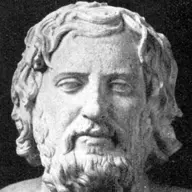
Xenophon, Memorabilia 4.7.10–4.8.4Translated by E. C. Marchant (1923)Read the full passage (opens scaife.perseus.org)

When, and whose words

Date
c. 371–354 BCE. Written well after Socrates' death in 399 BCE; often dated c. 371 BCE or later, before Xenophon's death c. 354 BCE.
Whose words
Xenophon's own words, remembering Socrates.
How this post was checked
  • The plain-words line was read against the quote alone by a second, independent pass, which found it adds no claim the quote does not make (2026-10-03).
  • Each claim in the summary was checked by an independent pass against only the material it cites.
  • The quote itself is checked by the build: word for word, once, at the cited section of the stored translation.

See it among its momentsMore from XenophonSee it in the feed