hstry

Plato's Seventh Letter on Socrates in court

c. 353 BCE, Athens. Seventh Letter; authorship disputed.

Where and when

c. 353 BCEAthens

about 2,378 years ago

Explore
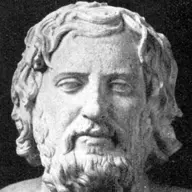
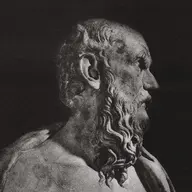
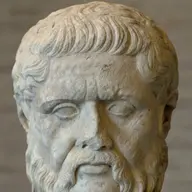
Plato, c. 428 – 348 BCE3000 BCE2900 BCE2800 BCE2700 BCE2600 BCE2500 BCE2400 BCE2300 BCE2200 BCE2100 BCE2000 BCE1900 BCE1800 BCE1700 BCE1600 BCE1500 BCE1400 BCE1300 BCE1200 BCE1100 BCE1000 BCE900 BCE800 BCE700 BCE600 BCE500 BCE400 BCE300 BCE200 BCE100 BCE1 CE100 CE200 CE300 CE400 CE500 CE600 CE700 CE800 CE900 CE1000 CE1100 CE1200 CE1300 CE1400 CE1500 CE1600 CE1700 CE1800 CE1900 CE2000 CEGreat Pyramid of Giza built, c. 2600 BCERome founded (traditional date), 753 BCELast western Roman emperor deposed, 476 CEGutenberg's printing press, c. 1440 CEColumbus reaches the Americas, 1492 CEFirst people on the Moon, 1969 CEToday, 2026

Swipe the line. Bars: entries. Dots: events.

Plato

, AthensSeventh Letter; authorship disputed

In plain words, ours

Then, by bad luck, some powerful men took our friend Socrates to court on an unholy charge, the one he deserved least of anyone.

But, as ill-luck would have it, certain men of authority summoned our comrade Socrates before the law-courts, laying a charge against him which was most unholy, and which Socrates of all men least deserved;

Plato, Letters 7.325bTranslated by R. G. Bury (1929)Read the full passage (Plato, Letters 7.325b, opens scaife.perseus.org)

What was going on, our summary

In a letter said to be Plato's, though its authorship is disputed, the writer looks back on Athens after the Thirty fell and exiles returned. Men in power then took his friend Socrates to court for impiety, and he was condemned and killed.

Checked claim by claim against: Democracy returns to Athens, with an amnesty, Socrates is tried, condemned and put to death, the passage around the quote.

Why it matters

The prosecution of Socrates put an end to Plato's plans for a political career.

Based on Wikipedia: Plato

However, the prosecution of Socrates by Anytus put an end to Plato's plans for a political career.

Wikipedia, Plato (opens en.wikipedia.org), as of 2026-09-28. Text CC BY-SA 4.0. Our line is checked against these sentences only.

Related moments

In time order, with this one in its place. Each says why it is here.

  1. 403 BCEabout 50 years earlier Democracy returns to Athens, with an amnesty The event behind it
  2. 399 BCEabout 46 years earlier Socrates is tried, condemned and put to death The event behind it
  3. set in 399 BCEabout 46 years earlier The charge Meletus swore against Socrates Also about the trial of Socrates
  4. c. 371–354 BCEabout 9 years earlier Xenophon answers the charge against Socrates Also about the trial of Socrates
  5. by c. 354 BCE1 year earlier Ischomachus on pots and pans Also in Athens
  6. c. 353 BCEThis momentPlato's Seventh Letter on Socrates in court
  7. c. 353 BCEAbout the same year Plato's Seventh Letter on going into politics More from Plato
  8. c. 353 BCEAbout the same year Plato's Seventh Letter on the Thirty Same passageMore from Plato
  9. c. 353 BCEAbout the same year Plato's Seventh Letter on entering public life Same passageMore from Plato
  10. by 348 BCEabout 5 years later Diogenes and the plucked chicken Also in Athens
  11. by 348 BCEabout 5 years later Diogenes tramples Plato's carpets Also in Athens

Just before and after

The text around the quote, word for word from the same translation.

Show the passageHide the passage

So when I beheld all these actions and others of a similar grave kind, I was indignant, and I withdrew myself from the evil practices then going on. But in no long time the power of the Thirty was overthrown together with the whole of the government which then existed. Then once again I was really, though less urgently, impelled with a desire to take part in public and political affairs. Many deplorable events, however, were still happening in those times, troublous as they were, and it was not surprising that in some instances, during these revolutions, men were avenging themselves on their foes too fiercely; yet, notwithstanding, the exiles who then returned exercised no little moderation.

The quote: But, as ill-luck would have it, certain men of authority summoned our comrade Socrates before the law-courts, laying a charge against him which was most unholy, and which Socrates of all men least deserved;

for it was on the charge of impiety that those men summoned him and the rest condemned and slew him—the very man who on the former occasion, when they themselves had the misfortune to be in exile, had refused to take part in the unholy arrest of one of the friends of the men then exiled. When, therefore, I considered all this, and the type of men who were administering the affairs of State, with their laws too and their customs, the more I considered them and the more I advanced in years myself, the more difficult appeared to me the task of managing affairs of State rightly.

Plato, Letters 7.325–325dTranslated by R. G. Bury (1929)Read the full passage (opens scaife.perseus.org)

When, and whose words

Date
c. 353 BCE. The Seventh Letter is conventionally dated c. 353 BCE, after Dion's death (354 BCE); here it recalls the trial of Socrates (399 BCE).
Whose words
Seventh Letter; authorship disputed. Who was Plato?
How this post was checked
  • The plain-words line was read against the quote alone by a second, independent pass, which found it adds no claim the quote does not make (2026-10-03).
  • Each claim in the summary was checked by an independent pass against only the material it cites.
  • The quote itself is checked by the build: word for word, once, at the cited section of the stored translation.

See it among its momentsMore from PlatoSee it in the feed