hstry

Xenophon answers the charge against Socrates

c. 371–354 BCE, Athens. Xenophon's own words, opening his defence of Socrates.

Where and when

c. 371–354 BCEAthens

about 2,387 years ago

Explore
Xenophon, c. 430 – c. 354 BCE3000 BCE2900 BCE2800 BCE2700 BCE2600 BCE2500 BCE2400 BCE2300 BCE2200 BCE2100 BCE2000 BCE1900 BCE1800 BCE1700 BCE1600 BCE1500 BCE1400 BCE1300 BCE1200 BCE1100 BCE1000 BCE900 BCE800 BCE700 BCE600 BCE500 BCE400 BCE300 BCE200 BCE100 BCE1 CE100 CE200 CE300 CE400 CE500 CE600 CE700 CE800 CE900 CE1000 CE1100 CE1200 CE1300 CE1400 CE1500 CE1600 CE1700 CE1800 CE1900 CE2000 CEGreat Pyramid of Giza built, c. 2600 BCERome founded (traditional date), 753 BCELast western Roman emperor deposed, 476 CEGutenberg's printing press, c. 1440 CEColumbus reaches the Americas, 1492 CEFirst people on the Moon, 1969 CEToday, 2026sometime in these 17 years

Swipe the line. Bars: entries. Dots: events.

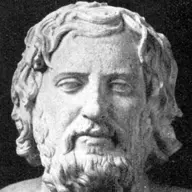
Xenophon

, AthensXenophon's own words, opening his defence of Socrates

In plain words, ours

I keep wondering how the accusers convinced Athens to put Socrates to death. The charge: rejecting the city's gods, bringing in new ones, and corrupting the young.

I have often wondered by what arguments those who drew up the indictment against Socrates could persuade the Athenians that his life was forfeit to the state. The indictment against him was to this effect: Socrates is guilty of rejecting the gods acknowledged by the state and of bringing in strange deities: he is also guilty of corrupting the youth.

Xenophon, Memorabilia 1.1.1Translated by E. C. Marchant (1923)Read the full passage (Xenophon, Memorabilia 1.1.1, opens scaife.perseus.org)
What was going on, our summary

Xenophon opens his defense of Socrates, written years after the trial of 399 BCE in which a jury condemned Socrates to death. He starts with the charge about the gods, noting that Socrates sacrificed openly.

Checked claim by claim against: Socrates is tried, condemned and put to death, the passage around the quote.

Why it matters

These are the opening words of the Memorabilia, the longest and most famous of Xenophon's writings on Socrates; besides Plato and Aristophanes, he is the only contemporary whose writings on Socrates survive.

Based on Wikipedia: Memorabilia (Xenophon)

The lengthiest and most famous of Xenophon's Socratic writings, the Memorabilia is essentially an apologia (defense) of Socrates, differing from both Xenophon's Apology of Socrates to the Jury and Plato's Apology.

Aside from Plato and Aristophanes, Xenophon is the only contemporary of Socrates whose writings on the latter are extant.

Wikipedia, Memorabilia (Xenophon) (opens en.wikipedia.org), as of 2026-08-08. Text CC BY-SA 4.0. Our line is checked against these sentences only.

Related moments

In time order, with this one in its place. Each says why it is here.

  1. 399 BCEabout 37 years earlier Socrates is tried, condemned and put to death The event behind it
  2. set in 399 BCEabout 37 years earlier The charge Meletus swore against Socrates Answering MeletusAlso about the trial of Socrates
  3. c. 367 BCEabout 5 years earlier Aristotle, aged about seventeen, joins Plato's Academy Also in Athens
  4. c. 371–354 BCEThis momentXenophon answers the charge against Socrates
  5. c. 371–354 BCEDuring it Xenophon on Socrates and appetite More from Xenophon
  6. c. 371–354 BCEDuring it Xenophon's verdict on Socrates More from Xenophon
  7. c. 371–354 BCEDuring it Xenophon on how Socrates lived Same passageMore from Xenophon
  8. c. 360–348 BCEabout 8 years later Plato's Athenian Stranger on law over rulers Also in Athens
  9. c. 360–348 BCEabout 8 years later The Athenian Stranger on puppets of the gods Also in Athens
  10. c. 353 BCEabout 9 years later Plato's Seventh Letter on Socrates in court Also about the trial of Socrates

Just before and after

The text around the quote, word for word from the same translation.

Show the passageHide the passage

The quote: I have often wondered by what arguments those who drew up the indictment against Socrates could persuade the Athenians that his life was forfeit to the state. The indictment against him was to this effect: Socrates is guilty of rejecting the gods acknowledged by the state and of bringing in strange deities: he is also guilty of corrupting the youth.

First then, that he rejected the gods acknowledged by the state — what evidence did they produce of that? He offered sacrifices constantly, and made no secret of it, now in his home, now at the altars of the state temples, and he made use of divination with as little secrecy. Indeed it had become notorious that Socrates claimed to be guided by the deity: it was out of this claim, I think, that the charge of bringing in strange deities arose. He was no more bringing in anything strange than are other believers in divination, who rely on augury, oracles, coincidences and sacrifices.

Xenophon, Memorabilia 1.1.1–3Translated by E. C. Marchant (1923)Read the full passage (opens scaife.perseus.org)

When, and whose words

Date
c. 371–354 BCE. Written well after Socrates' trial in 399 BCE; often dated c. 371 BCE or later, before Xenophon's death c. 354 BCE.
Whose words
Xenophon's own words, opening his defence of Socrates.
How this post was checked
  • The plain-words line was read against the quote alone by a second, independent pass, which found it adds no claim the quote does not make (2026-10-03).
  • Each claim in the summary was checked by an independent pass against only the material it cites.
  • The quote itself is checked by the build: word for word, once, at the cited section of the stored translation.

See it among its momentsMore from XenophonSee it in the feed