hstry

Nero on signing a death sentence, per Suetonius

c. 54–56 CE, Rome. As Suetonius tells it, over a century later.

Where and when

c. 54–56 CERome

about 1,971 years ago

Explore
Nero, 37 – 68 CE3000 BCE2900 BCE2800 BCE2700 BCE2600 BCE2500 BCE2400 BCE2300 BCE2200 BCE2100 BCE2000 BCE1900 BCE1800 BCE1700 BCE1600 BCE1500 BCE1400 BCE1300 BCE1200 BCE1100 BCE1000 BCE900 BCE800 BCE700 BCE600 BCE500 BCE400 BCE300 BCE200 BCE100 BCE1 CE100 CE200 CE300 CE400 CE500 CE600 CE700 CE800 CE900 CE1000 CE1100 CE1200 CE1300 CE1400 CE1500 CE1600 CE1700 CE1800 CE1900 CE2000 CEGreat Pyramid of Giza built, c. 2600 BCERome founded (traditional date), 753 BCELast western Roman emperor deposed, 476 CEGutenberg's printing press, c. 1440 CEColumbus reaches the Americas, 1492 CEFirst people on the Moon, 1969 CEToday, 2026sometime in these 2 years

Swipe the line. Bars: entries. Dots: events.

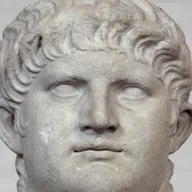
Nero

, RomeAs Suetonius tells it, over a century later

In plain words, ours

Asked to sign a death sentence, he said he wished he had never learned to read and write.

When called upon to subscribe the sentence, according to custom, of a criminal condemned to die, “I wish,” said he, “I had never learnt to read and write.”

Suetonius, Life of Nero 10Translated by Alexander Thomson, revised by T. Forester (1889)Read the full passage (Suetonius, Life of Nero 10, opens gutenberg.org)

What was going on, our summary

As Suetonius tells it over a century later, Nero is making a show of generosity: cutting taxes, giving money to the people and allowances to poor senators, and promising to govern on the model of Augustus.

Checked claim by claim against: the passage around the quote.

Related moments

In time order, with this one in its place. Each says why it is here.

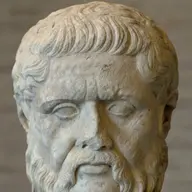
  1. c. 360–348 BCEabout 408 years earlier Plato's Athenian Stranger on law over rulers Also about justice and law
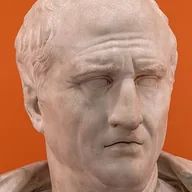
  2. 44 BCE, written laterabout 98 years earlier Cicero on the fox and the lion Also about justice and law
  3. c. 54–56 CEThis momentNero on signing a death sentence, per Suetonius
  4. c. 54–56 CEDuring it Nero answers the Senate's thanks, in Suetonius Same passageMore from Nero
  5. c. 60–61 CEabout 5 years later Boudica leads a British revolt against Rome Same years
  6. 62 CEabout 7 years later Nero answers Seneca, as Tacitus tells it More from Nero
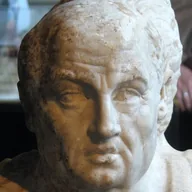
  7. 62 CEabout 7 years later Seneca offers Nero his wealth, per Tacitus Also in Rome
  8. 62 CEabout 7 years later Tacitus on Nero's answer to Seneca Also in Rome
  9. by 64 CEabout 9 years later Nero on fire devouring the world, in Suetonius More from Nero
  10. set in 64 CEabout 9 years later Tacitus on the Great Fire of Rome Also in Rome

Just before and after

The text around the quote, word for word from the same translation.

Show the passageHide the passage

To establish still further his character, he declared, “that he designed to govern according to the model of Augustus;” and omitted no opportunity of showing his generosity, clemency, and complaisance. The more burthensome taxes he either entirely took off, or diminished. The rewards appointed for informers by the Papian law, he reduced to a fourth part, and distributed to the people four hundred sesterces a man. To the noblest of the senators who were much reduced in their circumstances, he granted annual allowances, in some cases as much as five hundred thousand sesterces; and to the pretorian cohorts a monthly allowance of corn gratis.

The quote: When called upon to subscribe the sentence, according to custom, of a criminal condemned to die, “I wish,” said he, “I had never learnt to read and write.”

He continually saluted people of the several orders by name, without a prompter. When the senate returned him their thanks for his good government, he replied to them, “It will be time enough to do so when I shall have deserved it.” He admitted the common people to see him perform his exercises in the Campus Martius.

Suetonius, Life of Nero 10Translated by Alexander Thomson, revised by T. Forester (1889)Read the full passage (opens gutenberg.org)

When, and whose words

Date
c. 54–56 CE. Suetonius places it at the start of his reign (Nero came to power in 54 CE) without a year. Suetonius wrote c. 120 CE.
Whose words
As Suetonius tells it, over a century later.
How this post was checked
  • The plain-words line was read against the quote alone by a second, independent pass, which found it adds no claim the quote does not make (2026-10-03).
  • Each claim in the summary was checked by an independent pass against only the material it cites.
  • The quote itself is checked by the build: word for word, once, at the cited section of the stored translation.

See it among its momentsMore from NeroSee it in the feed