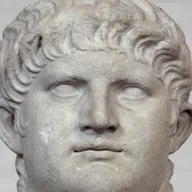
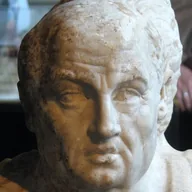
And indeed your gifts to me will, as long as life holds out, be lasting possessions; those which you owe to me, your parks, investments, your country houses, are liable to accidents. Though they seem much, many far inferior to you in merit have obtained more. I am ashamed to quote the names of freedmen who parade a greater wealth. Hence I actually blush to think that, standing as you do first in my affections, you do not as yet surpass all in fortune. "Yours too is a still vigorous manhood, quite equal to the labours of business and to the fruit of those labours; and, as for myself, I am but treading the threshold of empire. But perhaps you count yourself inferior to Vitellius, thrice a consul, and me to Claudius. Such wealth as long thrift has procured for Volusius, my bounty, you think, cannot fully make up to you.
The quote: Why not rather, if the frailty of my youth goes in any respect astray, call me back and guide yet more zealously with your help the manhood which you have instructed? It will not be your moderation, if you restore me your wealth, not your love of quiet, if you forsake your emperor, but my avarice, the fear of my cruelty, which will be in all men's mouths.
Even if your self-control were praised to the utmost, still it would not be seemly in a wise man to get glory for himself in the very act of bringing disgrace on his friend." To these words the emperor added embraces and kisses; for he was formed by nature and trained by habit to veil his hatred under delusive flattery. Seneca thanked him, the usual end of an interview with a despot.