hstry

Strepsiades on the better and worse cause

423 BCE, Athens (Theatre of Dionysus). Strepsiades speaking, in Aristophanes’ play.

Where and when

423 BCEAthens (Theatre of Dionysus)

2,448 years ago

Explore
Aristophanes, c. 446 – c. 386 BCE3000 BCE2900 BCE2800 BCE2700 BCE2600 BCE2500 BCE2400 BCE2300 BCE2200 BCE2100 BCE2000 BCE1900 BCE1800 BCE1700 BCE1600 BCE1500 BCE1400 BCE1300 BCE1200 BCE1100 BCE1000 BCE900 BCE800 BCE700 BCE600 BCE500 BCE400 BCE300 BCE200 BCE100 BCE1 CE100 CE200 CE300 CE400 CE500 CE600 CE700 CE800 CE900 CE1000 CE1100 CE1200 CE1300 CE1400 CE1500 CE1600 CE1700 CE1800 CE1900 CE2000 CEGreat Pyramid of Giza built, c. 2600 BCERome founded (traditional date), 753 BCELast western Roman emperor deposed, 476 CEGutenberg's printing press, c. 1440 CEColumbus reaches the Americas, 1492 CEFirst people on the Moon, 1969 CEToday, 2026

Swipe the line. Bars: entries. Dots: events.

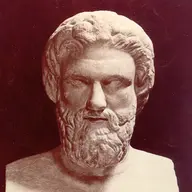
Aristophanes

, Athens (Theatre of Dionysus)Strepsiades speaking, in Aristophanes’ play

In plain words, ours

They say these people have two arguments, the better and the worse, and that the worse one wins even though it argues for what is unjust.

They say that among them are both the two causes—the better cause, whichever that is, and the worse: they say that the one of these two causes, the worse, prevails, though it speaks on the unjust side.

Aristophanes, Clouds lines 112–115Translated by William James Hickie (1853)Read the full passage (Aristophanes, Clouds lines 112–115, opens scaife.perseus.org)

What was going on, our summary

In Aristophanes' comedy Clouds, Strepsiades, in debt on his son's account, urges him to join a thinking-shop whose men teach anyone who pays to win arguments, right or wrong. His son Phidippides refuses.

Checked claim by claim against: the passage around the quote.

Related moments

In time order, with this one in its place. Each says why it is here.

  1. 427 BCE4 years earlier Athens votes to kill Mytilene's men, then relents Also in Athens
  2. 427 BCE, written later4 years earlier Thucydides on words changing meaning Also about speech and persuasion
  3. 425 BCE2 years earlier Spartans surrender on Sphacteria Same years
  4. 424/423 BCEDuring it Thucydides fails to save Amphipolis and is exiled Same years
  5. 423 BCEThis momentStrepsiades on the better and worse cause
  6. 423 BCESame year A disciple of Socrates on the flea Same passageMore from Aristophanes
  7. 423 BCESame year Strepsiades on the gnat's trumpet Same passageMore from Aristophanes
  8. 423 BCESame year Aristophanes' Socrates walks on air More from Aristophanes
  9. 422 BCE1 year later Cleon and Brasidas both die at Amphipolis Same years
  10. 421 BCE2 years later The Peace of Nicias Also in Athens
  11. c. 431–411 BCEDuring it Socrates on guardians sharing wives and children Same years
  12. c. 430–405 BCEDuring it Socrates would rather suffer wrong than do it Also in Athens
  13. c. 386 BCEabout 37 years later Socrates on Aspasia's funeral speech Also about speech and persuasion

Just before and after

The text around the quote, word for word from the same translation.

Show the passageHide the passage

Phidippides: What then, pray, is this, father?

Strepsiades: This is a thinking-shop of wise spirits. There dwell men who in speaking of the heavens persuade people that it is an oven, and that it encompasses us, and that we are the embers. These men teach, if one give them money, to conquer in speaking, right or wrong.

Phidippides: Who are they?

Strepsiades: I do not know the name accurately. They are minute philosophers, noble and excellent.

Phidippides: Bah! They are rogues; I know them. You mean the quacks, the pale-faced wretches, the bare-footed fellows, of whose numbers are the miserable Socrates and Chaerephon.

Strepsiades: Hold! Hold! Be silent! Do not say anything foolish. But, if you have any concern for your father’s patrimony, become one of them, having given up your horsemanship.

Phidippides: I would not, by Bacchus, even if you were to give me the pheasants which Leogoras rears!

Strepsiades: Go, I entreat you, dearest of men, go and be taught.

Phidippides: Why, what shall I learn?

The quote: Strepsiades: They say that among them are both the two causes—the better cause, whichever that is, and the worse: they say that the one of these two causes, the worse, prevails, though it speaks on the unjust side.

Strepsiades: If, therefore you learn for me this unjust cause, I would not pay any one, not even an obolus of these debts, which I owe at present on your account.

Phidippides: I can not comply; for I should not dare to look upon the knights, having lost all my colour.

Strepsiades: Then, by Ceres, you shall not eat any of my good! Neither you, nor your blood-horse; but I will drive you out of my house to the crows.

Phidippides: My uncle Megacles will not permit me to be without a horse. But I’ll go in, and pay no heed to you.

Exit Phidippides.

Aristophanes, Clouds lines 93–124Translated by William James Hickie (1853)Read the full passage (opens scaife.perseus.org)

When, and whose words

Date
423 BCE. Clouds was first staged in 423 BCE; the text that survives is a partial revision Aristophanes made a few years later, which was never staged.
Whose words
Strepsiades speaking, in Aristophanes’ play.
How this post was checked
  • The plain-words line was read against the quote alone by a second, independent pass, which found it adds no claim the quote does not make (2026-10-03).
  • Each claim in the summary was checked by an independent pass against only the material it cites.
  • The quote itself is checked by the build: word for word, once, at the cited section of the stored translation.

See it among its momentsMore from AristophanesSee it in the feed