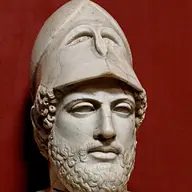
hstry

Sophocles' Chorus on the wonder of man

c. 441 BCE, Athens (Theatre of Dionysus). The Chorus speaking, in Sophocles’ play.

Where and when

c. 441 BCEAthens (Theatre of Dionysus)

about 2,466 years ago

Explore
Sophocles, c. 497 – 406 BCE3000 BCE2900 BCE2800 BCE2700 BCE2600 BCE2500 BCE2400 BCE2300 BCE2200 BCE2100 BCE2000 BCE1900 BCE1800 BCE1700 BCE1600 BCE1500 BCE1400 BCE1300 BCE1200 BCE1100 BCE1000 BCE900 BCE800 BCE700 BCE600 BCE500 BCE400 BCE300 BCE200 BCE100 BCE1 CE100 CE200 CE300 CE400 CE500 CE600 CE700 CE800 CE900 CE1000 CE1100 CE1200 CE1300 CE1400 CE1500 CE1600 CE1700 CE1800 CE1900 CE2000 CEGreat Pyramid of Giza built, c. 2600 BCERome founded (traditional date), 753 BCELast western Roman emperor deposed, 476 CEGutenberg's printing press, c. 1440 CEColumbus reaches the Americas, 1492 CEFirst people on the Moon, 1969 CEToday, 2026

Swipe the line. Bars: entries. Dots: events.

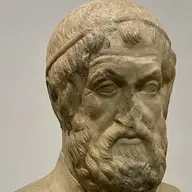
Sophocles

, Athens (Theatre of Dionysus)The Chorus speaking, in Sophocles’ play

In plain words, ours

The world is full of amazing things, and nothing is more amazing than human beings.

Wonders are many, and none is more wonderful than man.

Sophocles, Antigone line 332Translated by Richard Jebb (1891)Read the full passage (Sophocles, Antigone line 332, opens scaife.perseus.org)

What was going on, our summary

In a Sophocles play, Creon has just stormed out, threatening a guard unless the culprits of a crime are found, and the guard leaves glad to be alive. The Chorus then sings of human power: crossing the stormy sea, plowing the earth, trapping birds and beasts.

Checked claim by claim against: the passage around the quote.

Related moments

In time order, with this one in its place. Each says why it is here.

  1. 447 BCEabout 6 years earlier Work begins on the Parthenon Also in Athens
  2. set in c. 447 BCEabout 6 years earlier Pericles counsels waiting for Time Also in Athens
  3. 446/445 BCEabout 5 years earlier Athens and Sparta agree a Thirty Years' Peace Also in Athens
  4. c. 441 BCEThis momentSophocles' Chorus on the wonder of man
  5. c. 441 BCEAbout the same year Haemon on a city ruled by one man More from Sophocles
  6. c. 441 BCEAbout the same year Antigone on love, not hate More from Sophocles
  7. c. 441 BCEAbout the same year Antigone defies Creon Same passageMore from Sophocles

Just before and after

The text around the quote, word for word from the same translation.

Show the passageHide the passage

Guard: Will you allow me to speak? Or shall I just turn and go?

Creon: Do you not know even now how much your voice sickens me?

Guard: Is the pain in your ears, or in your soul?

Creon: And why would you define the seat of my pain?

Guard: He who did it hurts your heart, but I, your ears.

Creon: God! How plain it is that you are a born babbler.

Guard: Perhaps, but never the author of this action.

Creon: Yes, and what is more, you sold your life for silver.

Guard: Ah! It is truly sad when the judge judges wrong .

Creon: Expound on judgment as you will. But, if you fail to show me the perpetrators of these crimes, you will avow that money basely earned wreaks sorrows. Exit Creon.

Guard: Well, may the man be found! That would be best. But, whether he be caught or not—for fortune must decide that—I assure you that you will not see me come here again. Saved just now beyond hope and belief, I owe the gods great thanks. Exit the Guard.

The quote: Chorus: Wonders are many, and none is more wonderful than man.

Chorus: This power spans the sea, even when it surges white before the gales of the south-wind, and makes a path under swells that threaten to engulf him. Earth, too, the eldest of the gods, the immortal, the unwearied, he wears away to his own ends, turning the soil with the offspring of horses as the plows weave to and fro year after year. The light-hearted tribe of birds and the clans of wild beasts and the sea-brood of the deep he snares in the meshes of his twisted nets, and he leads them captive, very-skilled man. He masters by his arts the beast who dwells in the wilds and roams the hills.

Sophocles, Antigone lines 315–350Translated by Richard Jebb (1891)Read the full passage (opens scaife.perseus.org)

When, and whose words

Date
c. 441 BCE. Antigone is usually dated to about 441 BCE from ancient notices; the exact year of its first staging is not recorded.
Whose words
The Chorus speaking, in Sophocles’ play.
How this post was checked
  • The plain-words line was read against the quote alone by a second, independent pass, which found it adds no claim the quote does not make (2026-10-03).
  • Each claim in the summary was checked by an independent pass against only the material it cites.
  • The quote itself is checked by the build: word for word, once, at the cited section of the stored translation.

See it among its momentsMore from SophoclesSee it in the feed