hstry

Xenophon on remembering Socrates

c. 399–354 BCE, Athens. Xenophon's own words, in his account of the trial.

Where and when

c. 399–354 BCEAthens

about 2,402 years ago

Explore
Xenophon, c. 430 – c. 354 BCE3000 BCE2900 BCE2800 BCE2700 BCE2600 BCE2500 BCE2400 BCE2300 BCE2200 BCE2100 BCE2000 BCE1900 BCE1800 BCE1700 BCE1600 BCE1500 BCE1400 BCE1300 BCE1200 BCE1100 BCE1000 BCE900 BCE800 BCE700 BCE600 BCE500 BCE400 BCE300 BCE200 BCE100 BCE1 CE100 CE200 CE300 CE400 CE500 CE600 CE700 CE800 CE900 CE1000 CE1100 CE1200 CE1300 CE1400 CE1500 CE1600 CE1700 CE1800 CE1900 CE2000 CEGreat Pyramid of Giza built, c. 2600 BCERome founded (traditional date), 753 BCELast western Roman emperor deposed, 476 CEGutenberg's printing press, c. 1440 CEColumbus reaches the Americas, 1492 CEFirst people on the Moon, 1969 CEToday, 2026sometime in these 45 years

Swipe the line. Bars: entries. Dots: events.

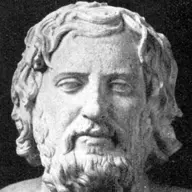
Xenophon

, AthensXenophon's own words, in his account of the trial

In plain words, ours

When I think about how wise and good he was, I can't forget him, and I can't remember him without praising him.

And so, in contemplating the man’s wisdom and nobility of character, I find it beyond my power to forget him or, in remembering him, to refrain from praising him.

Xenophon, Apology 34Translated by O. J. Todd (1923)Read the full passage (Xenophon, Apology 34, opens scaife.perseus.org)

What was going on, our summary

Xenophon, writing about Socrates' trial, says Socrates exalted himself before the court, which made his conviction surer, and then met death cheerfully. Socrates was condemned and put to death in Athens in 399 BCE.

Checked claim by claim against: Socrates is tried, condemned and put to death, the passage around the quote.

Why it matters

About the event it belongs to: Socrates is tried, condemned and put to death

Plato's account of the trial and death inspired writers, artists and philosophers to return to it. Some saw the execution as showing the defects of democracy; others as a justifiable defence of a newly restored democracy.

Based on Wikipedia: Trial of Socrates

Plato's presentation of the trial and death of Socrates inspired writers, artists, and philosophers to revisit the matter.

For some, the execution of the man whom Plato called "the wisest and most just of all men" demonstrated the defects of democracy and of popular rule; for others, the Athenian actions were a justifiable defence of the recently re-established democracy.

Wikipedia, Trial of Socrates (opens en.wikipedia.org), as of 2026-10-01. Text CC BY-SA 4.0. Our line is checked against these sentences only.

Related moments

In time order, with this one in its place. Each says why it is here.

  1. 399 BCEabout 22 years earlier Socrates is tried, condemned and put to death The event behind it
  2. c. 386 BCEabout 9 years earlier Aspasia's speech on how a state shapes men Also in Athens
  3. c. 386 BCEabout 9 years earlier Aspasia's speech on how Athens is ruled Also in Athens
  4. c. 386 BCEabout 9 years earlier Aspasia's speech on wealth and cowardice Also in Athens
  5. c. 399–354 BCEThis momentXenophon on remembering Socrates
  6. c. 399–354 BCEDuring it Xenophon on Socrates' death Same passageMore from Xenophon
  7. c. 371–354 BCEabout 15 years later Xenophon answers the charge against Socrates More from Xenophon
  8. c. 371–354 BCEabout 15 years later Xenophon on how Socrates lived More from Xenophon

Just before and after

The text around the quote, word for word from the same translation.

Show the passageHide the passage

So Anytus, even though dead, still enjoys an evil repute for his son’s mischievous education and for his own hard-heartedness. And as for Socrates, by exalting himself before the court, he brought ill-will upon himself and made his conviction by the jury more certain. Now to me he seems to have met a fate that the gods love; for he escaped the hardest part of life and met the easiest sort of death. And he displayed the stalwart nature of his heart; for having once decided that to die was better for him than to live longer, he did not weaken in the presence of death (just as he had never set his face against any other thing, either, that was for his good), but was cheerful not only in the expectation of death but in meeting it.

The quote: And so, in contemplating the man’s wisdom and nobility of character, I find it beyond my power to forget him or, in remembering him, to refrain from praising him.

And if among those who make virtue their aim any one has ever been brought into contact with a person more helpful than Socrates, I count that man worthy to be called most blessed.

Xenophon, Apology 31–34Translated by O. J. Todd (1923)Read the full passage (opens scaife.perseus.org)

When, and whose words

Date
c. 399–354 BCE. Written after Socrates' trial in 399 BCE and before Xenophon's death c. 354 BCE; the exact year is not known.
Whose words
Xenophon's own words, in his account of the trial.
How this post was checked
  • The plain-words line was read against the quote alone by a second, independent pass, which found it adds no claim the quote does not make (2026-10-03).
  • Each claim in the summary was checked by an independent pass against only the material it cites.
  • The quote itself is checked by the build: word for word, once, at the cited section of the stored translation.

See it among its momentsMore from XenophonSee it in the feed