hstry

Eleazar's speech at Masada, per Josephus

set in c. 73–74 CE, Masada. Eleazar speaking, as Josephus writes it.

Where and when

set in c. 73–74 CEMasada

about 1,952.5 years ago

Explore
Josephus, c. 37 – c. 100 CE3000 BCE2900 BCE2800 BCE2700 BCE2600 BCE2500 BCE2400 BCE2300 BCE2200 BCE2100 BCE2000 BCE1900 BCE1800 BCE1700 BCE1600 BCE1500 BCE1400 BCE1300 BCE1200 BCE1100 BCE1000 BCE900 BCE800 BCE700 BCE600 BCE500 BCE400 BCE300 BCE200 BCE100 BCE1 CE100 CE200 CE300 CE400 CE500 CE600 CE700 CE800 CE900 CE1000 CE1100 CE1200 CE1300 CE1400 CE1500 CE1600 CE1700 CE1800 CE1900 CE2000 CEGreat Pyramid of Giza built, c. 2600 BCERome founded (traditional date), 753 BCELast western Roman emperor deposed, 476 CEGutenberg's printing press, c. 1440 CEColumbus reaches the Americas, 1492 CEFirst people on the Moon, 1969 CEToday, 2026sometime in these 1 years

Swipe the line. Bars: entries. Dots: events.

Josephus

, MasadaEleazar speaking, as Josephus writes it

In plain words, ours

We were the first to rebel against them and are the last still fighting. I count it God's gift that we can still die bravely and free, unlike others caught off guard.

We were the very first that revolted from them, and we are the last that fight against them; and I cannot but esteem it as a favor that God hath granted us, that it is still in our power to die bravely, and in a state of freedom, which hath not been the case of others, who were conquered unexpectedly.

Josephus, The Jewish War 7.320Translated by William Whiston (1737)Read the full passage (Josephus, The Jewish War 7.320, opens scaife.perseus.org)

What was going on, our summary

Masada, 73 or 74 CE, the last stronghold of the Jewish revolt, with a Roman ramp built up to it. Josephus writes that Eleazar gathered the bravest defenders and urged them to die rather than be taken. The speech is as Josephus writes it.

Checked claim by claim against: Masada falls, ending the Jewish revolt, the passage around the quote.

Why it matters

About the event it belongs to: Masada falls, ending the Jewish revolt

Retold in modern times as the Masada myth, the siege became a national symbol in the early years of the State of Israel.

Based on Wikipedia: Siege of Masada

In modern times, the story of the siege was revived as the Masada myth, a selectively constructed narrative based on Josephus's account.

The mythical narrative became a national symbol in the early years of Israel's nationhood.

Wikipedia, Siege of Masada (opens en.wikipedia.org), as of 2026-09-25. Text CC BY-SA 4.0. Our line is checked against these sentences only.

Related moments

In time order, with this one in its place. Each says why it is here.

  1. set in 68 CEabout 5.5 years earlier Nero's last hours, as Suetonius tells it Also about death
  2. 69 CEabout 4.5 years earlier Four emperors in one year Same years
  3. 70 CEabout 3.5 years earlier Titus takes Jerusalem and the Temple burns Also about war and empire
  4. c. 73–74 CEDuring it Masada falls, ending the Jewish revolt The event behind itAlso in MasadaAlso about war and empireAlso about death
  5. c. 71–75 CEDuring it Josephus on the Temple spoils in Rome More from Josephus
  6. set in c. 73–74 CEThis momentEleazar's speech at Masada, per Josephus
  7. set in c. 73–74 CEDuring it Eleazar's speech at Masada, in Josephus Same passageMore from Josephus
  8. set in c. 73–74 CEDuring it Josephus on the Romans entering Masada More from Josephus

Just before and after

The text around the quote, word for word from the same translation.

Show the passageHide the passage

Now as he judged this to be the best thing they could do in their present circumstances, he gathered the most courageous of his companions together, and encouraged them to take that course by a speech which he made to them in the manner following: Since we, long ago, my generous friends, resolved never to be servants to the Romans, nor to any other than to God himself, who alone is the true and just Lord of mankind, the time is now come that obliges us to make that resolution true in practice. And let us not at this time bring a reproach upon ourselves for self-contradiction, while we formerly would not undergo slavery, though it were then without danger, but must now, together with slavery, choose such punishments also as are intolerable; I mean this, upon the supposition that the Romans once reduce us under their power while we are alive.

The quote: We were the very first that revolted from them, and we are the last that fight against them; and I cannot but esteem it as a favor that God hath granted us, that it is still in our power to die bravely, and in a state of freedom, which hath not been the case of others, who were conquered unexpectedly.

It is very plain that we shall be taken within a day's time; but it is still an eligible thing to die after a glorious manner, together with our dearest friends. This is what our enemies themselves cannot by any means hinder, although they be very desirous to take us alive. Nor can we propose to ourselves any more to fight them, and beat them.

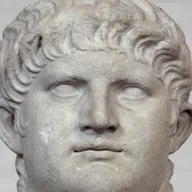
Josephus, The Jewish War 7.320Translated by William Whiston (1737)Read the full passage (opens scaife.perseus.org)

When, and whose words

Date
set in c. 73–74 CE. Set at the fall of Masada, usually dated 73 or 74 CE; Josephus wrote it in the 70s CE.
Whose words
Eleazar speaking, as Josephus writes it.
How this post was checked
  • The plain-words line was read against the quote alone by a second, independent pass, which found it adds no claim the quote does not make (2026-10-03).
  • Each claim in the summary was checked by an independent pass against only the material it cites.
  • The quote itself is checked by the build: word for word, once, at the cited section of the stored translation.

See it among its momentsMore from JosephusSee it in the feed