hstry

Socrates alone holds to the law

set in 406 BCE, Athens. Xenophon's own narration.

Where and when

set in 406 BCEAthens

2,431 years ago

Explore
Xenophon, c. 430 – c. 354 BCE3000 BCE2900 BCE2800 BCE2700 BCE2600 BCE2500 BCE2400 BCE2300 BCE2200 BCE2100 BCE2000 BCE1900 BCE1800 BCE1700 BCE1600 BCE1500 BCE1400 BCE1300 BCE1200 BCE1100 BCE1000 BCE900 BCE800 BCE700 BCE600 BCE500 BCE400 BCE300 BCE200 BCE100 BCE1 CE100 CE200 CE300 CE400 CE500 CE600 CE700 CE800 CE900 CE1000 CE1100 CE1200 CE1300 CE1400 CE1500 CE1600 CE1700 CE1800 CE1900 CE2000 CEGreat Pyramid of Giza built, c. 2600 BCERome founded (traditional date), 753 BCELast western Roman emperor deposed, 476 CEGutenberg's printing press, c. 1440 CEColumbus reaches the Americas, 1492 CEFirst people on the Moon, 1969 CEToday, 2026

Swipe the line. Bars: entries. Dots: events.

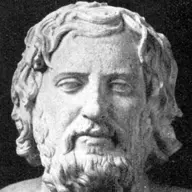
Xenophon

, AthensXenophon's own narration

In plain words, ours

Scared, the presiding officials agreed to put it to a vote. All but Socrates, who said he would only act within the law.

Then the Prytanes, stricken with fear, agreed to put the question,—all of them except Socrates, the son of Sophroniscus; and he said that in no case would he act except in accordance with the law.

Xenophon, Hellenica 1.7.15Translated by Carleton L. Brownson (1918)Read the full passage (Xenophon, Hellenica 1.7.15, opens scaife.perseus.org)

What was going on, our summary

After the sea battle of Arginusae in 406 BCE, Athens put its generals on trial. As Xenophon tells it, the crowd in the assembly shouted down objections to judging them in one vote and threatened officials who refused to call it.

Checked claim by claim against: Athens wins at Arginusae, then condemns its generals, the passage around the quote.

Why it matters

About the event it belongs to: Athens wins at Arginusae, then condemns its generals

The Athenians soon came to regret executing the generals, and charges were brought against those who had pushed for the executions.

Based on Wikipedia: Battle of Arginusae

The Athenians soon came to regret their decision in the case of the generals, and charges were brought against the principal instigators of the executions.

Wikipedia, Battle of Arginusae (opens en.wikipedia.org), as of 2026-08-19. Text CC BY-SA 4.0. Our line is checked against these sentences only.

Related moments

In time order, with this one in its place. Each says why it is here.

  1. 406 BCESame year Athens wins at Arginusae, then condemns its generals The event behind itAlso in AthensAlso about justice and lawAlso about democracy and government
  2. set in 406 BCEThis momentSocrates alone holds to the law
  3. set in 406 BCESame year Xenophon on the Arginusae generals Same passageMore from Xenophon
  4. c. 406 BCE0.10000000000002274 years later Euripides and Sophocles die Also in Athens
  5. 405 BCE1 year later The Athenian fleet is lost at Aegospotami Same years
  6. set in 405 BCE1 year later Athens hears of the lost fleet More from Xenophon
  7. 404 BCE1.8000000000000114 years later Athens surrenders and its walls come down Also in Athens
  8. 404 BCE2 years later The Thirty take power in Athens Same years
  9. set in 404 BCE2 years later The walls of Athens come down More from Xenophon
  10. 403 BCE3 years later Democracy returns to Athens, with an amnesty Also about democracy and government
  11. set in 399 BCE7 years later Socrates on not returning wrong for wrong Also about justice and law

Just before and after

The text around the quote, word for word from the same translation.

Show the passageHide the passage

Now Euryptolemus, the son of Peisianax, and some others served a summons upon Callixeinus, alleging that he had made an unconstitutional proposal. And some of the people applauded this act, but the greater number cried out that it was monstrous if the people were to be prevented from doing whatever they wished. Indeed, when Lyciscus thereupon moved that these men also should be judged by the very same vote as the generals, unless they withdrew the summons, the mob broke out again with shouts of approval, and they were compelled to withdraw the summonses. Furthermore, when some of the Prytanes refused to put the question to the vote in violation of the law, Callixeinus again mounted the platform and urged the same charge against them; and the crowd cried out to summon to court those who refused.

The quote: Then the Prytanes, stricken with fear, agreed to put the question,—all of them except Socrates, the son of Sophroniscus; and he said that in no case would he act except in accordance with the law.

After this Euryptolemus mounted the platform and spoke as follows in defence of the generals:I have come to the platform, men of Athens, partly to accuse Pericles, though he is my kinsman and intimate, and Diomedon, who is my friend, partly to speak in their defence, and partly to advise the measures which seem to me to be best for the state as a whole.

Xenophon, Hellenica 1.7.12–16Translated by Carleton L. Brownson (1918)Read the full passage (opens scaife.perseus.org)

When, and whose words

Date
set in 406 BCE. Set at the trial of the generals after Arginusae in 406 BCE; Xenophon wrote it decades later.
Whose words
Xenophon's own narration.
How this post was checked
  • The plain-words line was read against the quote alone by a second, independent pass, which found it adds no claim the quote does not make (2026-10-03).
  • Each claim in the summary was checked by an independent pass against only the material it cites.
  • The quote itself is checked by the build: word for word, once, at the cited section of the stored translation.

See it among its momentsMore from XenophonSee it in the feed