hstry

Athens hears of the lost fleet

set in 405 BCE, Athens. Xenophon's own narration.

Where and when

set in 405 BCEAthens

2,430 years ago

Explore
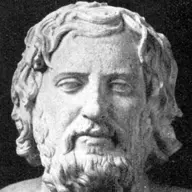
Xenophon, c. 430 – c. 354 BCE3000 BCE2900 BCE2800 BCE2700 BCE2600 BCE2500 BCE2400 BCE2300 BCE2200 BCE2100 BCE2000 BCE1900 BCE1800 BCE1700 BCE1600 BCE1500 BCE1400 BCE1300 BCE1200 BCE1100 BCE1000 BCE900 BCE800 BCE700 BCE600 BCE500 BCE400 BCE300 BCE200 BCE100 BCE1 CE100 CE200 CE300 CE400 CE500 CE600 CE700 CE800 CE900 CE1000 CE1100 CE1200 CE1300 CE1400 CE1500 CE1600 CE1700 CE1800 CE1900 CE2000 CEGreat Pyramid of Giza built, c. 2600 BCERome founded (traditional date), 753 BCELast western Roman emperor deposed, 476 CEGutenberg's printing press, c. 1440 CEColumbus reaches the Americas, 1492 CEFirst people on the Moon, 1969 CEToday, 2026

Swipe the line. Bars: entries. Dots: events.

Xenophon

, AthensXenophon's own narration

In plain words, ours

The bad news came at night. Wailing spread from the harbour up into the city, and no one slept, grieving for the dead and even more for themselves.

It was at night that the Paralus arrived at Athens with tidings of the disaster, and a sound of wailing ran from Piraeus through the long walls to the city, one man passing on the news to another; and during that night no one slept, all mourning, not for the lost alone, but far more for their own selves

Xenophon, Hellenica 2.2.3Translated by Carleton L. Brownson (1918)Read the full passage (Xenophon, Hellenica 2.2.3, opens scaife.perseus.org)

What was going on, our summary

Lysander had just captured almost the whole Athenian fleet at Aegospotami, and had been sending Athenians home so the crowded city would run short of food. The next day the Assembly began preparing for a siege.

Checked claim by claim against: The Athenian fleet is lost at Aegospotami, the passage around the quote.

Why it matters

About the event it belongs to: The Athenian fleet is lost at Aegospotami

Without a fleet Athens could not import grain or reach its empire, so the defeat effectively ended the war. It left Sparta dominant across the Greek world, in an order that lasted more than thirty years.

Based on Wikipedia: Battle of Aegospotami

This effectively ended the war, since Athens could not import grain or communicate with its empire without control of the sea.

The Spartan victory at Aegospotami marked the end of 27 years of war, placing Sparta in a position of complete dominance throughout the Greek world and establishing a political order that would last for more than thirty years.

Wikipedia, Battle of Aegospotami (opens en.wikipedia.org), as of 2026-08-19. Text CC BY-SA 4.0. Our line is checked against these sentences only.

Related moments

In time order, with this one in its place. Each says why it is here.

  1. 406 BCE1 year earlier Athens wins at Arginusae, then condemns its generals Also in Athens
  2. set in 406 BCE1 year earlier Socrates alone holds to the law More from Xenophon
  3. set in 406 BCE1 year earlier Xenophon on the Arginusae generals More from Xenophon
  4. c. 406 BCE0.8999999999999773 years earlier Euripides and Sophocles die Also in Athens
  5. 405 BCESame year The Athenian fleet is lost at Aegospotami The event behind itAlso about war and empire
  6. set in 405 BCEThis momentAthens hears of the lost fleet
  7. 404 BCE0.8000000000000114 years later Athens surrenders and its walls come down Also in AthensAlso about war and empire
  8. 404 BCE1 year later The Thirty take power in Athens Same years
  9. set in 404 BCE1 year later The walls of Athens come down Same passageMore from Xenophon

Just before and after

The text around the quote, word for word from the same translation.

Show the passageHide the passage

After setting in order the affairs of Lampsacus, Lysander sailed against Byzantium and Calchedon. And the people of those cities admitted him, allowing the Athenian garrisons, by the terms of the surrender, to withdraw. And those who had betrayed Byzantium to Alcibiades fled at this time to the Pontus, but afterwards they went to Athens and became Athenian citizens. Now the Athenian garrisons, and in fact every other Athenian whom he saw anywhere, Lysander sent home to Athens, giving them safe conduct if they sailed to that one place and not if they went to any other; for he knew that the more people were collected in the city and Piraeus, the more quickly there would be a scarcity of provisions. Then, after leaving Sthenelaus, a Laconian, as governor of Byzantium and Calchedon, he sailed back to Lampsacus and occupied himself with refitting his ships.

The quote: It was at night that the Paralus arrived at Athens with tidings of the disaster, and a sound of wailing ran from Piraeus through the long walls to the city, one man passing on the news to another; and during that night no one slept, all mourning, not for the lost alone, but far more for their own selves

, thinking that they would suffer such treatment as they had visited upon the Melians, colonists of the Lacedaemonians, after reducing them by siege, and upon the Histiaeans and Scionaeans and Toronaeans and Aeginetans and many other Greek peoples. On the following day they convened an Assembly, at which it was resolved to block up all the harbours except one, to repair the walls, to station guards, and in all other respects to get the city ready for a siege. They busied themselves, accordingly, with these matters.

Xenophon, Hellenica 2.2.1–4Translated by Carleton L. Brownson (1918)Read the full passage (opens scaife.perseus.org)

When, and whose words

Date
set in 405 BCE. Set at the news of the defeat at Aegospotami in 405 BCE; Xenophon wrote it decades later.
Whose words
Xenophon's own narration.
How this post was checked
  • The plain-words line was read against the quote alone by a second, independent pass, which found it adds no claim the quote does not make (2026-10-03).
  • Each claim in the summary was checked by an independent pass against only the material it cites.
  • The quote itself is checked by the build: word for word, once, at the cited section of the stored translation.

See it among its momentsMore from XenophonSee it in the feed