hstry

Medea on being too clever

431 BCE, Athens (Theatre of Dionysus). Medea speaking, in Euripides’ play.

Where and when

431 BCEAthens (Theatre of Dionysus)

2,456 years ago

Explore
Euripides, c. 480 – c. 406 BCE3000 BCE2900 BCE2800 BCE2700 BCE2600 BCE2500 BCE2400 BCE2300 BCE2200 BCE2100 BCE2000 BCE1900 BCE1800 BCE1700 BCE1600 BCE1500 BCE1400 BCE1300 BCE1200 BCE1100 BCE1000 BCE900 BCE800 BCE700 BCE600 BCE500 BCE400 BCE300 BCE200 BCE100 BCE1 CE100 CE200 CE300 CE400 CE500 CE600 CE700 CE800 CE900 CE1000 CE1100 CE1200 CE1300 CE1400 CE1500 CE1600 CE1700 CE1800 CE1900 CE2000 CEGreat Pyramid of Giza built, c. 2600 BCERome founded (traditional date), 753 BCELast western Roman emperor deposed, 476 CEGutenberg's printing press, c. 1440 CEColumbus reaches the Americas, 1492 CEFirst people on the Moon, 1969 CEToday, 2026

Swipe the line. Bars: entries. Dots: events.

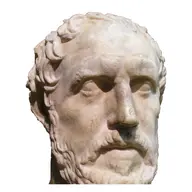
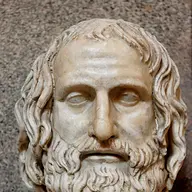
Euripides

, Athens (Theatre of Dionysus)Medea speaking, in Euripides’ play

In plain words, ours

A sensible parent should not have their children taught to be too clever. People will call them idle, and their fellow citizens will resent them.

Wherefore whoso is wise in his generation ought never to have his children taught to be too clever; for besides the reputation they get for idleness, they purchase bitter odium from the citizens.

Euripides, Medea lines 292–295Translated by E. P. Coleridge (1906)Read the full passage (Euripides, Medea lines 292–295, opens scaife.perseus.org)

What was going on, our summary

In Euripides' play, Creon is driving Medea out of the land because he fears she will harm his daughter, the bride. Medea answers that her reputation has hurt her many times before.

Checked claim by claim against: the passage around the quote.

Why it matters

Euripides seems to have written this speech of Medea's, about the cost of being thought too clever, in defence of himself as an intellectual ahead of his time.

Based on Wikipedia: Euripides

Medea, includes a speech that he seems to have written in defence of himself as an intellectual ahead of his time

Wikipedia, Euripides (opens en.wikipedia.org), as of 2026-09-24. Text CC BY-SA 4.0. Our line is checked against these sentences only.

Related moments

In time order, with this one in its place. Each says why it is here.

  1. c. 441 BCEabout 10 years earlier Haemon begs his father to bend Also about teaching and learning
  2. 431 BCESame year Thebans attack Plataea and the war begins Same years
  3. 431 BCEThis momentMedea on being too clever
  4. 431 BCESame year Medea's Nurse on moderation Same passage
  5. 431 BCESame year The Chorus in Medea on a world reversed More from Euripides
  6. 431 BCESame year Medea on childbirth and battle More from Euripides
  7. 431 BCESame year Medea on the lot of women Same passageMore from Euripides
  8. 431 BCE, written laterSame year Thucydides opens his history of the war Also in Athens
  9. 431 BCE0.10000000000002274 years later Spartan army invades Attica Same years
  10. 430 BCE1 year later Plague breaks out in Athens Same years
  11. 431/430 BCEBegins this year Athens holds a public funeral for its first war dead Same years
  12. 430 BCE, written later1 year later Thucydides on the plague he caught Also in Athens
  13. 430 BCE, written later1 year later Thucydides on the plague in Athens Also in Athens
  14. 429 BCE2 years later Pericles dies Same years
  15. c. 420–410 BCEabout 16 years later Socrates on why he stays in the city Also about teaching and learning

Just before and after

The text around the quote, word for word from the same translation.

Show the passageHide the passage

Medea: For my enemies are bearing down on me full sail, nor have I any landing-place to come at in my trouble. Yet for all my wretched plight I will ask thee, Creon, wherefore dost thou drive me from the land?

Creon: I fear thee,—no longer need I veil my dread ’neath words,—lest thou devise against my child some cureless ill. Many things contribute to this fear of mine; thou art a witch by nature, expert in countless sorceries, and thou art chafing for the loss of thy husband’s affection. I hear, too, so they tell me, that thou dost threaten the father of the bride, her husband, and herself with some mischief; wherefore I will take precautions ere our troubles come. For ’tis better for me to incur thy hatred now, lady, than to soften my heart and bitterly repent it hereafter.

Medea: Alas! this is not now the first time, but oft before, O Creon, hath my reputation injured me and caused sore mischief.

The quote: Medea: Wherefore whoso is wise in his generation ought never to have his children taught to be too clever; for besides the reputation they get for idleness, they purchase bitter odium from the citizens.

Medea: For if thou shouldst import new learning amongst dullards, thou will be thought a useless trifler, void of knowledge; while if thy fame in the city o’ertops that of the pretenders to cunning knowledge, thou wilt win their dislike. I too myself share in this ill-luck. Some think me clever and hate me, ; others find me hard to please and not so very clever after all. Be that as it may, thou dost fear me lest I bring on thee something to mar thy harmony. Fear me not, Creon, ray position scarce is such that I should seek to quarrel with princes. Why should I, for how hast thou injured me?

Euripides, Medea lines 277–305Translated by E. P. Coleridge (1906)Read the full passage (opens scaife.perseus.org)

When, and whose words

Date
431 BCE. Medea was first staged at the City Dionysia in 431 BCE.
Whose words
Medea speaking, in Euripides’ play.
How this post was checked
  • The plain-words line was read against the quote alone by a second, independent pass, which found it adds no claim the quote does not make (2026-10-03).
  • Each claim in the summary was checked by an independent pass against only the material it cites.
  • The quote itself is checked by the build: word for word, once, at the cited section of the stored translation.

See it among its momentsMore from EuripidesSee it in the feed