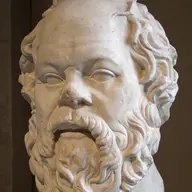
hstry

Socrates on philosophers practicing dying

set in 399 BCE, Athens, the prison. As Plato tells it.

Where and when

set in 399 BCEAthens, the prison

2,424 years ago

Explore
Socrates, c. 470 – 399 BCE3000 BCE2900 BCE2800 BCE2700 BCE2600 BCE2500 BCE2400 BCE2300 BCE2200 BCE2100 BCE2000 BCE1900 BCE1800 BCE1700 BCE1600 BCE1500 BCE1400 BCE1300 BCE1200 BCE1100 BCE1000 BCE900 BCE800 BCE700 BCE600 BCE500 BCE400 BCE300 BCE200 BCE100 BCE1 CE100 CE200 CE300 CE400 CE500 CE600 CE700 CE800 CE900 CE1000 CE1100 CE1200 CE1300 CE1400 CE1500 CE1600 CE1700 CE1800 CE1900 CE2000 CEGreat Pyramid of Giza built, c. 2600 BCERome founded (traditional date), 753 BCELast western Roman emperor deposed, 476 CEGutenberg's printing press, c. 1440 CEColumbus reaches the Americas, 1492 CEFirst people on the Moon, 1969 CEToday, 2026

Swipe the line. Bars: entries. Dots: events.

In plain words, ours

Real philosophers spend their lives practising for death, so it frightens them less than anyone.

In fact, then, Simmias, said he, the true philosophers practice dying, and death is less terrible to them than to any other men.

Plato, Phaedo 67eTranslated by Harold North Fowler (1914)Read the full passage (Plato, Phaedo 67e, opens scaife.perseus.org)
What was going on, our summary

As Plato tells it, Socrates is in prison in Athens in 399 BCE, condemned to die, and talking with Simmias. He argues that philosophers spend their lives longing for wisdom and wanting the soul apart from the body.

Checked claim by claim against: Socrates is tried, condemned and put to death, the passage around the quote.

Why it matters

The Phaedo, where Socrates argues this, is considered a seminal text that gave classic form to pairs like soul and body, which became deeply ingrained in Western thought.

Based on Wikipedia: Phaedo

The Phaedo has come to be considered a seminal text, from which a whole range of dualities, which have become deeply ingrained in Western philosophy, theology, and psychology over two millennia, received their classic formulation: soul and body, mind and matter, intellect and sense, reason and emotion, reality and appearance, unity and plurality, perfection and imperfection, immortal and mortal, permanence and change, eternal and temporal, divine and human, heaven and earth.

Wikipedia, Phaedo (opens en.wikipedia.org), as of 2026-09-02. Text CC BY-SA 4.0. Our line is checked against these sentences only.

Related moments

In time order, with this one in its place. Each says why it is here.

  1. c. 406 BCEabout 6.899999999999977 years earlier Euripides and Sophocles die Also about death
  2. 404 BCE5 years earlier The Thirty take power in Athens Same years
  3. 403 BCE4 years earlier Democracy returns to Athens, with an amnesty Same years
  4. 401 BCE2 years earlier The Chorus on not being born Also about death
  5. 399 BCESame year Socrates is tried, condemned and put to death The event behind itAlso in Athens
  6. set in 399 BCEThis momentSocrates on philosophers practicing dying
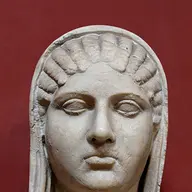
  7. by 399 BCEBy this year Aspasia on honest matchmaking Also in Athens
  8. set in 399 BCESame year The charge Meletus swore against Socrates Also in Athens
  9. set in 399 BCESame year Socrates and the oracle at Delphi More from Socrates
  10. set in 399 BCESame year Socrates on what makes things beautiful More from Socrates
  11. set in 399 BCESame year Socrates on knowing that he does not know More from Socrates

Just before and after

The text around the quote, word for word from the same translation.

Show the passageHide the passage

Would it not be absurd?Of course.

The quote: In fact, then, Simmias, said he, the true philosophers practice dying, and death is less terrible to them than to any other men.

Consider it in this way. Phaedo. They are in every way hostile to the body and they desire to have the soul apart by itself alone. Would it not be very foolish if they should be frightened and troubled when this very thing happens, and if they should not be glad to go to the place where there is hope of attaining what they longed for all through life—and they longed for wisdom—and of escaping from the companionship of that which they hated?

Plato, Phaedo 67e–68aTranslated by Harold North Fowler (1914)Read the full passage (opens scaife.perseus.org)

When, and whose words

Date
set in 399 BCE. Set on the day of Socrates' execution in 399 BCE.
Whose words
As Plato tells it.
How this post was checked
  • The plain-words line was read against the quote alone by a second, independent pass, which found it adds no claim the quote does not make (2026-10-03).
  • Each claim in the summary was checked by an independent pass against only the material it cites.
  • The quote itself is checked by the build: word for word, once, at the cited section of the stored translation.

See it among its momentsMore from SocratesSee it in the feed