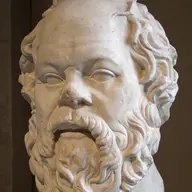
hstry

The Chorus on not being born

401 BCE, Athens (Theatre of Dionysus). The Chorus speaking, in Sophocles’ play.

Where and when

401 BCEAthens (Theatre of Dionysus)

2,426 years ago

Explore
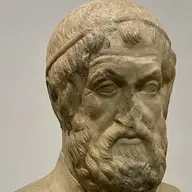
Sophocles, c. 497 – 406 BCE3000 BCE2900 BCE2800 BCE2700 BCE2600 BCE2500 BCE2400 BCE2300 BCE2200 BCE2100 BCE2000 BCE1900 BCE1800 BCE1700 BCE1600 BCE1500 BCE1400 BCE1300 BCE1200 BCE1100 BCE1000 BCE900 BCE800 BCE700 BCE600 BCE500 BCE400 BCE300 BCE200 BCE100 BCE1 CE100 CE200 CE300 CE400 CE500 CE600 CE700 CE800 CE900 CE1000 CE1100 CE1200 CE1300 CE1400 CE1500 CE1600 CE1700 CE1800 CE1900 CE2000 CEGreat Pyramid of Giza built, c. 2600 BCERome founded (traditional date), 753 BCELast western Roman emperor deposed, 476 CEGutenberg's printing press, c. 1440 CEColumbus reaches the Americas, 1492 CEFirst people on the Moon, 1969 CEToday, 2026

Swipe the line. Bars: entries. Dots: events.

Sophocles

, Athens (Theatre of Dionysus)The Chorus speaking, in Sophocles’ play

In plain words, ours

Best of all is never to be born. Second best, once you are born, is to go back where you came from as fast as you can.

Not to be born is, beyond all estimation, best; but when a man has seen the light of day, this is next best by far, that with utmost speed he should go back from where he came.

Sophocles, Oedipus at Colonus line 1225Translated by Richard Jebb (1889)Read the full passage (Sophocles, Oedipus at Colonus line 1225, opens scaife.perseus.org)

What was going on, our summary

In Sophocles' play Oedipus at Colonus, staged after his death, Theseus has just promised an old man his life is safe. The Chorus then sings that long life brings more pain than joy, and that death comes to all.

Checked claim by claim against: Euripides and Sophocles die, the passage around the quote.

Related moments

In time order, with this one in its place. Each says why it is here.

  1. c. 429 BCEabout 28 years earlier Oedipus demands to learn his birth More from Sophocles
  2. c. 429 BCEabout 28 years earlier Oedipus on his city's sickness More from Sophocles
  3. c. 406 BCEabout 4.899999999999977 years earlier Euripides and Sophocles die The event behind itAlso about death
  4. 404 BCE3 years earlier The Thirty take power in Athens Same years
  5. 403 BCE2 years earlier Democracy returns to Athens, with an amnesty Same years
  6. c. 402 BCE1 year earlier Socrates answers Meno on numbness Also in Athens
  7. 401 BCEThis momentThe Chorus on not being born
  8. 401 BCESame year Oedipus tells Theseus that time overpowers all More from Sophocles
  9. 399 BCE2 years later Socrates is tried, condemned and put to death Same years
  10. by 399 BCEabout 2 years later Aspasia on honest matchmaking Also in Athens
  11. set in 399 BCE2 years later Socrates on the fear of death Also about death
  12. set in 399 BCE2 years later Socrates on what makes things beautiful Also in Athens

Just before and after

The text around the quote, word for word from the same translation.

Show the passageHide the passage

Oedipus: My child, by your pleading you overcome me; but your pleasure here is my grief. Still, let it be as is dear to you. Only, if that man is to come here, stranger, let no one ever become master over my soul.

Theseus: Once only do I need hear such words, and no more, old man. I do not want to boast, but you may feel sure that your life is safe, while any of the gods preserves mine. Theseus exits.

Chorus: Whoever craves the longer length of life, not content to desire a moderate span, him I will judge with no uncertainty: he clings to folly. For the long years lay in deposit many things nearer to pain than joy; but as for your delights, you will find them nowhere, when someone’s life has fallen beyond the fitting period. The Helper comes at last to all alike, when the fate of Hades is suddenly revealed, without marriage-song, or lyre, or dance: Death at the end.

The quote: Chorus: Not to be born is, beyond all estimation, best; but when a man has seen the light of day, this is next best by far, that with utmost speed he should go back from where he came.

Chorus: For when he has seen youth go by, with its easy merry-making, what hard affliction is foreign to him, what suffering does he not know? Envy, factions, strife, battles, and murders. Last of all falls to his lot old age, blamed, weak, unsociable, friendless, wherein dwells every misery among miseries. In such years is this poor man here, not I alone.

Sophocles, Oedipus at Colonus lines 1204–1239Translated by Richard Jebb (1889)Read the full passage (opens scaife.perseus.org)

When, and whose words

Date
401 BCE. Oedipus at Colonus was staged posthumously in 401 BCE; Sophocles wrote it before his death in 406 BCE.
Whose words
The Chorus speaking, in Sophocles’ play.
How this post was checked
  • The plain-words line was read against the quote alone by a second, independent pass, which found it adds no claim the quote does not make (2026-10-03).
  • Each claim in the summary was checked by an independent pass against only the material it cites.
  • The quote itself is checked by the build: word for word, once, at the cited section of the stored translation.

See it among its momentsMore from SophoclesSee it in the feed