hstry

Josephus on grieving for Jerusalem

c. 75–79 CE. His own words.

Where and when

c. 75–79 CERome and its world

about 1,949 years ago

Explore
Josephus, c. 37 – c. 100 CE3000 BCE2900 BCE2800 BCE2700 BCE2600 BCE2500 BCE2400 BCE2300 BCE2200 BCE2100 BCE2000 BCE1900 BCE1800 BCE1700 BCE1600 BCE1500 BCE1400 BCE1300 BCE1200 BCE1100 BCE1000 BCE900 BCE800 BCE700 BCE600 BCE500 BCE400 BCE300 BCE200 BCE100 BCE1 CE100 CE200 CE300 CE400 CE500 CE600 CE700 CE800 CE900 CE1000 CE1100 CE1200 CE1300 CE1400 CE1500 CE1600 CE1700 CE1800 CE1900 CE2000 CEGreat Pyramid of Giza built, c. 2600 BCERome founded (traditional date), 753 BCELast western Roman emperor deposed, 476 CEGutenberg's printing press, c. 1440 CEColumbus reaches the Americas, 1492 CEFirst people on the Moon, 1969 CEToday, 2026sometime in these 4 years

Swipe the line. Bars: entries. Dots: events.

In plain words, ours

If you still blame me, take the facts as the history, and the grieving as mine alone.

But if any one be inflexible in his censures of me, let him attribute the facts themselves to the historical part, and the lamentations to the writer himself only.

Josephus, The Jewish War 1.9Translated by William Whiston (1737)Read the full passage (Josephus, The Jewish War 1.9, opens scaife.perseus.org)

What was going on, our summary

In his history of the war, Josephus asks readers to forgive his grief, because Jerusalem, once among the happiest cities under Roman rule, fell into terrible disaster, brought on by its own people rather than foreigners.

Checked claim by claim against: the passage around the quote.

Related moments

In time order, with this one in its place. Each says why it is here.

  1. c. 335–322 BCEabout 404 years earlier Aristotle on poetry and history Also about how history gets told
  2. set in 64 CEabout 13 years earlier Tacitus on the Great Fire of Rome Also about how history gets told
  3. set in c. 73–74 CEabout 3.5 years earlier Eleazar's speech at Masada, per Josephus More from Josephus
  4. set in c. 73–74 CEabout 3.5 years earlier Eleazar's speech at Masada, in Josephus More from Josephus
  5. c. 75–79 CEThis momentJosephus on grieving for Jerusalem
  6. c. 75–79 CEDuring it Josephus introduces himself Same passageMore from Josephus
  7. 79 CEabout 2 years later Vesuvius erupts and buries Pompeii Same years
  8. 80 CEabout 3 years later Titus opens the Colosseum with games Same years

Just before and after

The text around the quote, word for word from the same translation.

Show the passageHide the passage

But if any one makes an unjust accusation against us, when we speak so passionately about the tyrants, or the robbers, or sorely bewail the misfortunes of our country, let him indulge my affections herein, though it be contrary to the rules for writing history; because it had so come to pass, that our city Jerusalem had arrived at a higher degree of felicity than any other city under the Roman government, and yet at last fell into the sorest of calamities again. Accordingly, it appears to me that the misfortunes of all men, from the beginning of the world, if they be compared to these of the Jews are not so considerable as they were; while the authors of them were not foreigners neither. This makes it impossible for me to contain my lamentations.

The quote: But if any one be inflexible in his censures of me, let him attribute the facts themselves to the historical part, and the lamentations to the writer himself only.

However, I may justly blame the learned men among the Greeks, who, when such great actions have been done in their own times, which, upon the comparison, quite eclipse the old wars, do yet sit as judges of those affairs, and pass bitter censures upon the labors of the best writers of antiquity; which moderns, although they may be superior to the old writers in eloquence, yet are they inferior to them in the execution of what they intended to do.

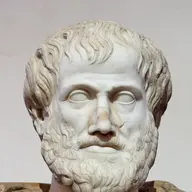
Josephus, The Jewish War 1.9–13Translated by William Whiston (1737)Read the full passage (opens scaife.perseus.org)

When, and whose words

Date
c. 75–79 CE. The preface of the Jewish War, which he wrote in the 70s CE, after the war.
Whose words
His own words.
How this post was checked
  • The plain-words line was read against the quote alone by a second, independent pass, which found it adds no claim the quote does not make (2026-10-03).
  • Each claim in the summary was checked by an independent pass against only the material it cites.
  • The quote itself is checked by the build: word for word, once, at the cited section of the stored translation.

See it among its momentsMore from JosephusSee it in the feed