hstry

Thucydides on the disaster in Sicily

413 BCE, written later, Sicily. His own words.

Where and when

413 BCE, written laterSicily, off the map

2,438 years ago

Explore
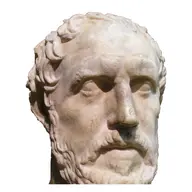
Thucydides, c. 460 – c. 400 BCE3000 BCE2900 BCE2800 BCE2700 BCE2600 BCE2500 BCE2400 BCE2300 BCE2200 BCE2100 BCE2000 BCE1900 BCE1800 BCE1700 BCE1600 BCE1500 BCE1400 BCE1300 BCE1200 BCE1100 BCE1000 BCE900 BCE800 BCE700 BCE600 BCE500 BCE400 BCE300 BCE200 BCE100 BCE1 CE100 CE200 CE300 CE400 CE500 CE600 CE700 CE800 CE900 CE1000 CE1100 CE1200 CE1300 CE1400 CE1500 CE1600 CE1700 CE1800 CE1900 CE2000 CEGreat Pyramid of Giza built, c. 2600 BCERome founded (traditional date), 753 BCELast western Roman emperor deposed, 476 CEGutenberg's printing press, c. 1440 CEColumbus reaches the Americas, 1492 CEFirst people on the Moon, 1969 CEToday, 2026

Swipe the line. Bars: entries. Dots: events.

In plain words, ours

In my view the biggest event in Greek history: glorious for the winners, a catastrophe for the losers. Fleet, army, everything was destroyed, and few came home.

This was the greatest Hellenic achievement of any in this war, or, in my opinion, in Hellenic history; at once most glorious to the victors, and most calamitous to the conquered. They were beaten at all points and altogether; all that they suffered was great; they were destroyed, as the saying is, with a total destruction, their fleet, their army—everything was destroyed, and few out of many returned home.

Thucydides, History of the Peloponnesian War 7.87.5–6Translated by Richard Crawley (1874)Read the full passage (Thucydides, History of the Peloponnesian War 7.87.5–6, opens scaife.perseus.org)

What was going on, our summary

Thucydides is ending his account of the Athenian expedition to Sicily in 413 BCE. At least seven thousand prisoners were taken, and back in Athens people at first refused to believe a defeat so complete.

Checked claim by claim against: The Athenian army is destroyed in Sicily, the passage around the quote.

Why it matters

About the event it belongs to: The Athenian army is destroyed in Sicily

Athens lost two hundred ships and thousands of men in a single campaign. Some historians see the failure as the turning point of the war, though Athens fought on for another decade.

Based on Wikipedia: Sicilian Expedition

Two hundred ships and thousands of soldiers, a significant portion of Athens' military resources, were lost in a single campaign.

Some historians regard the expedition's failure as the turning point of the war, although Athens continued fighting for another decade.

Wikipedia, Sicilian Expedition (opens en.wikipedia.org), as of 2026-09-27. Text CC BY-SA 4.0. Our line is checked against these sentences only.

Related moments

In time order, with this one in its place. Each says why it is here.

  1. 416 BCE3 years earlier Athens takes Melos and kills its men Same years
  2. 416 BCE, written later3 years earlier Athenian envoys to Melos on the strong and weak More from Thucydides
  3. 415 BCE2.1000000000000227 years earlier Statues of Hermes are smashed across Athens Same years
  4. 415 BCE2 years earlier The great fleet sails for Sicily Also about war and empire
  5. c. 431–400 BCEDuring it Thucydides on how he wrote the speeches More from Thucydides
  6. c. 431–400 BCEDuring it Thucydides on a possession for all time More from Thucydides
  7. 413 BCESame year The Athenian army is destroyed in Sicily The event behind itAlso about war and empire
  8. 413 BCE, written laterThis momentThucydides on the disaster in Sicily
  9. 411 BCE2 years later An oligarchy of Four Hundred seizes Athens Same years

Just before and after

The text around the quote, word for word from the same translation.

Show the passageHide the passage

In short, no single suffering to be apprehended by men thrust into such a place was spared them. For some seventy days they thus lived all together, after which all, except the Athenians and any Siceliots or Italiots who had joined in the expedition, were sold. The total number of prisoners taken it would be difficult to state exactly, but it could not have been less than seven thousand.

The quote: This was the greatest Hellenic achievement of any in this war, or, in my opinion, in Hellenic history; at once most glorious to the victors, and most calamitous to the conquered. They were beaten at all points and altogether; all that they suffered was great; they were destroyed, as the saying is, with a total destruction, their fleet, their army—everything was destroyed, and few out of many returned home.

Such were the events in Sicily. Such were the events in Sicily. When the news was brought to Athens, for a long while they disbelieved even the most respectable of the soldiers who had themselves escaped from the scene of action and clearly reported the matter, a destruction so complete not being thought credible.

Thucydides, History of the Peloponnesian War 7.87.2–8.1.1Translated by Richard Crawley (1874)Read the full passage (opens scaife.perseus.org)

When, and whose words

Date
413 BCE, written later. The Athenian expedition to Sicily ended in defeat in 413 BCE; he wrote it up during or after the war.
Whose words
His own words. Who was Thucydides?
How this post was checked
  • The plain-words line was read against the quote alone by a second, independent pass, which found it adds no claim the quote does not make (2026-10-03).
  • Each claim in the summary was checked by an independent pass against only the material it cites.
  • The quote itself is checked by the build: word for word, once, at the cited section of the stored translation.

See it among its momentsMore from ThucydidesSee it in the feed