hstry

Teiresias warns Creon

c. 441 BCE, Athens (Theatre of Dionysus). Teiresias speaking, in Sophocles’ play.

Where and when

c. 441 BCEAthens (Theatre of Dionysus)

about 2,466 years ago

Explore
Sophocles, c. 497 – 406 BCE3000 BCE2900 BCE2800 BCE2700 BCE2600 BCE2500 BCE2400 BCE2300 BCE2200 BCE2100 BCE2000 BCE1900 BCE1800 BCE1700 BCE1600 BCE1500 BCE1400 BCE1300 BCE1200 BCE1100 BCE1000 BCE900 BCE800 BCE700 BCE600 BCE500 BCE400 BCE300 BCE200 BCE100 BCE1 CE100 CE200 CE300 CE400 CE500 CE600 CE700 CE800 CE900 CE1000 CE1100 CE1200 CE1300 CE1400 CE1500 CE1600 CE1700 CE1800 CE1900 CE2000 CEGreat Pyramid of Giza built, c. 2600 BCERome founded (traditional date), 753 BCELast western Roman emperor deposed, 476 CEGutenberg's printing press, c. 1440 CEColumbus reaches the Americas, 1492 CEFirst people on the Moon, 1969 CEToday, 2026

Swipe the line. Bars: entries. Dots: events.

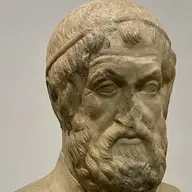
Sophocles

, Athens (Theatre of Dionysus)Teiresias speaking, in Sophocles’ play

In plain words, ours

Everyone makes mistakes. The one who fixes his mistake instead of digging in is not a fool; stubbornness is what looks foolish.

All men are liable to err. But when an error is made, that man is no longer unwise or unblessed who heals the evil into which he has fallen and does not remain stubborn. Self-will, we know, invites the charge of foolishness.

Sophocles, Antigone lines 1020–1025Translated by Richard Jebb (1891)Read the full passage (Sophocles, Antigone lines 1020–1025, opens scaife.perseus.org)

What was going on, our summary

In Sophocles' play, the seer Teiresias warns Creon that the city's altars are tainted and the gods refuse its sacrifices, because birds and dogs have fed on the body of Oedipus's fallen son.

Checked claim by claim against: the passage around the quote.

Related moments

In time order, with this one in its place. Each says why it is here.

  1. 447 BCEabout 6 years earlier Work begins on the Parthenon Also in Athens
  2. set in c. 447 BCEabout 6 years earlier Pericles counsels waiting for Time Also in Athens
  3. 446/445 BCEabout 5 years earlier Athens and Sparta agree a Thirty Years' Peace Also in Athens
  4. c. 441 BCEThis momentTeiresias warns Creon
  5. c. 441 BCEAbout the same year Antigone on love, not hate More from Sophocles
  6. c. 441 BCEAbout the same year Antigone defies Creon More from Sophocles
  7. c. 441 BCEAbout the same year Sophocles' Chorus on the wonder of man More from Sophocles
  8. c. 433 BCEabout 8 years later Socrates says no one does evil willingly Also about how to live well
  9. 431 BCEabout 10 years later Medea on passion over reason Also about how to live well

Just before and after

The text around the quote, word for word from the same translation.

Show the passageHide the passage

Teiresias: Instead juice that had sweated from the thigh-flesh trickled out onto the embers and smoked and sputtered; the gall was scattered high up in the air; and the streaming thighs lay bared of the fat that had been wrapped around them. Such was the failure of the rites that yielded no sign, as I learned from this boy. For he is my guide, as I am guide to others. And it is your will that is the source of the sickness now afflicting the city. For the altars of our city and our hearths have one and all been tainted by the birds and dogs with the carrion taken from the sadly fallen son of Oedipus. And so the gods no more accept prayer and sacrifice at our hands, or the burning of thigh-meat, nor does any bird sound out clear signs in its shrill cries, for they have tasted the fatness of a slain man’s blood. Think, therefore, on these things, my son.

The quote: Teiresias: All men are liable to err. But when an error is made, that man is no longer unwise or unblessed who heals the evil into which he has fallen and does not remain stubborn. Self-will, we know, invites the charge of foolishness.

Teiresias: Concede the claim of the dead. Do not kick at the fallen. What prowess is it to kill the dead all over again? I have considered for your good, and what I advise is good. The sweetest thing is to learn from a good advisor when his advice is to your profit.

Creon: Old man, you all shoot your arrows at me, like archers at their mark, and I am not safe even from the plottings of the seer’s divine art, but by their tribe I have long been bought and sold and made their merchandise.

Sophocles, Antigone lines 1005–1035Translated by Richard Jebb (1891)Read the full passage (opens scaife.perseus.org)

When, and whose words

Date
c. 441 BCE. Antigone is usually dated to about 441 BCE from ancient notices; the exact year of its first staging is not recorded.
Whose words
Teiresias speaking, in Sophocles’ play.
How this post was checked
  • The plain-words line was read against the quote alone by a second, independent pass, which found it adds no claim the quote does not make (2026-10-03).
  • Each claim in the summary was checked by an independent pass against only the material it cites.
  • The quote itself is checked by the build: word for word, once, at the cited section of the stored translation.

See it among its momentsMore from SophoclesSee it in the feed