hstry

Croesus on war and peace

c. 430–425 BCE, Sardis. Croesus speaking, as Herodotus tells it.

Where and when

c. 430–425 BCESardis

about 2,452 years ago

Explore
Herodotus, c. 484 – c. 425 BCE3000 BCE2900 BCE2800 BCE2700 BCE2600 BCE2500 BCE2400 BCE2300 BCE2200 BCE2100 BCE2000 BCE1900 BCE1800 BCE1700 BCE1600 BCE1500 BCE1400 BCE1300 BCE1200 BCE1100 BCE1000 BCE900 BCE800 BCE700 BCE600 BCE500 BCE400 BCE300 BCE200 BCE100 BCE1 CE100 CE200 CE300 CE400 CE500 CE600 CE700 CE800 CE900 CE1000 CE1100 CE1200 CE1300 CE1400 CE1500 CE1600 CE1700 CE1800 CE1900 CE2000 CEGreat Pyramid of Giza built, c. 2600 BCERome founded (traditional date), 753 BCELast western Roman emperor deposed, 476 CEGutenberg's printing press, c. 1440 CEColumbus reaches the Americas, 1492 CEFirst people on the Moon, 1969 CEToday, 2026sometime in these 5 years

Swipe the line. Bars: entries. Dots: events.

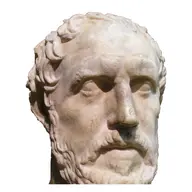
Herodotus

, SardisCroesus speaking, as Herodotus tells it

In plain words, ours

Nobody is foolish enough to choose war over peace. In peace, children bury their parents. In war, parents bury their children.

No one is so foolish as to choose war over peace. In peace sons bury their fathers, in war fathers bury their sons.

Herodotus, Histories 1.87.4Translated by A. D. Godley (1920)Read the full passage (Herodotus, Histories 1.87.4, opens scaife.perseus.org)

What was going on, our summary

As Herodotus tells it, Croesus was on a burning pyre when a sudden storm put out the fire. Cyrus had him brought down and asked who persuaded him to make war on him; this is part of Croesus' answer.

Checked claim by claim against: the passage around the quote.

Related moments

In time order, with this one in its place. Each says why it is here.

  1. 430 BCEabout 3 years earlier Plague breaks out in Athens Same years
  2. 431/430 BCEabout 3 years earlier Athens holds a public funeral for its first war dead Same years
  3. 429 BCEabout 2 years earlier Pericles dies Same years
  4. 427 BCEAbout the same year Athens votes to kill Mytilene's men, then relents Also about war and empire
  5. c. 430–425 BCEThis momentCroesus on war and peace
  6. c. 430–425 BCEDuring it Herodotus says custom is lord of all More from Herodotus
  7. c. 430–425 BCEDuring it Herodotus on every nation's own customs More from Herodotus
  8. c. 430–425 BCEDuring it Herodotus on why he wrote his Histories More from Herodotus
  9. 427 BCE, written laterAbout the same year Thucydides on revolution in the cities Also about war and empire
  10. 425 BCEabout 2 years later Spartans surrender on Sphacteria Same years

Just before and after

The text around the quote, word for word from the same translation.

Show the passageHide the passage

Then the Lydians say that Croesus understood Cyrus' change of heart, and when he saw everyone trying to extinguish the fire but unable to check it, he invoked Apollo, crying out that if Apollo had ever been given any pleasing gift by him, let him offer help and deliver him from the present evil. Thus he in tears invoked the god, and suddenly out of a clear and windless sky clouds gathered, a storm broke, and it rained violently, extinguishing the pyre. Thus Cyrus perceived that Croesus was dear to god and a good man. He had him brought down from the pyre and asked, “Croesus, what man persuaded you to wage war against my land and become my enemy instead of my friend?” He replied, “O King, I acted thus for your good fortune, but for my own ill fortune. The god of the Hellenes is responsible for these things, inciting me to wage war.

The quote: No one is so foolish as to choose war over peace. In peace sons bury their fathers, in war fathers bury their sons.

But I suppose it was dear to the divinity that this be so.” Croesus said this, and Cyrus freed him and made him sit near and was very considerate to him, and both he and all that were with him were astonished when they looked at Croesus. He for his part was silent, deep in thought.

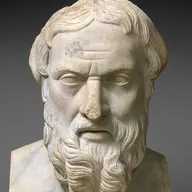
Herodotus, Histories 1.87.1–1.88.1Translated by A. D. Godley (1920)Read the full passage (opens scaife.perseus.org)

When, and whose words

Date
c. 430–425 BCE. When the Histories were being completed (c. 430–425 BCE); the scene is set at the fall of Sardis, c. 547 BCE.
Whose words
Croesus speaking, as Herodotus tells it. Who was Herodotus?
How this post was checked
  • The plain-words line was read against the quote alone by a second, independent pass, which found it adds no claim the quote does not make (2026-10-03).
  • Each claim in the summary was checked by an independent pass against only the material it cites.
  • The quote itself is checked by the build: word for word, once, at the cited section of the stored translation.

See it among its momentsMore from HerodotusSee it in the feed