hstry

Josephus on the burning of the Temple

set in 70 CE, Jerusalem. His own words.

Where and when

set in 70 CEJerusalem

1,956 years ago

Explore
Josephus, c. 37 – c. 100 CE3000 BCE2900 BCE2800 BCE2700 BCE2600 BCE2500 BCE2400 BCE2300 BCE2200 BCE2100 BCE2000 BCE1900 BCE1800 BCE1700 BCE1600 BCE1500 BCE1400 BCE1300 BCE1200 BCE1100 BCE1000 BCE900 BCE800 BCE700 BCE600 BCE500 BCE400 BCE300 BCE200 BCE100 BCE1 CE100 CE200 CE300 CE400 CE500 CE600 CE700 CE800 CE900 CE1000 CE1100 CE1200 CE1300 CE1400 CE1500 CE1600 CE1700 CE1800 CE1900 CE2000 CEGreat Pyramid of Giza built, c. 2600 BCERome founded (traditional date), 753 BCELast western Roman emperor deposed, 476 CEGutenberg's printing press, c. 1440 CEColumbus reaches the Americas, 1492 CEFirst people on the Moon, 1969 CEToday, 2026

Swipe the line. Bars: entries. Dots: events.

In plain words, ours

The flames reached far and echoed with the groans of the dying. The hill was high and the buildings huge, so it looked like the whole city was burning.

The flame was also carried a long way, and made an echo, together with the groans of those that were slain; and because this hill was high, and the works at the temple were very great, one would have thought the whole city had been on fire.

Josephus, The Jewish War 6.271Translated by William Whiston (1737)Read the full passage (Josephus, The Jewish War 6.271, opens scaife.perseus.org)

What was going on, our summary

Jerusalem, 70 CE. After a five-month siege, Titus' army has stormed the city and the Temple is burning. Josephus describes the plundering and the killing of people of every age while it burned.

Checked claim by claim against: Titus takes Jerusalem and the Temple burns, the passage around the quote.

Why it matters

About the event it belongs to: Titus takes Jerusalem and the Temple burns

The city's fall effectively ended the revolt and marked a turning point in Jewish history: with sacrifice no longer possible, Judaism gradually reoriented around Torah study and prayer.

Based on Wikipedia: Siege of Jerusalem (70 CE)

The city's fall marked the effective end of the revolt and a turning point in Jewish history.

With sacrificial worship no longer possible, Judaism gradually reoriented around Torah study, acts of loving-kindness, and synagogue prayer, a development that culminated in Rabbinic Judaism.

Wikipedia, Siege of Jerusalem (70 CE) (opens en.wikipedia.org), as of 2026-09-25. Text CC BY-SA 4.0. Our line is checked against these sentences only.

Related moments

In time order, with this one in its place. Each says why it is here.

  1. 68 CE2 years earlier Nero kills himself as the Senate declares him an enemy Same years
  2. set in 68 CE2 years earlier Nero's last hours, as Suetonius tells it Same years
  3. 69 CE1 year earlier Four emperors in one year Also about war and empire
  4. 70 CESame year Titus takes Jerusalem and the Temple burns The event behind itAlso in JerusalemAlso about war and empire
  5. set in 70 CEThis momentJosephus on the burning of the Temple
  6. set in 70 CESame year Josephus on the famine in besieged Jerusalem More from Josephus
  7. set in 70 CESame year Josephus mourns the Temple Same passageMore from Josephus
  8. set in 70 CESame year Titus orders the Temple fire out, per Josephus Same passageMore from Josephus
  9. c. 73–74 CEabout 3 years later Masada falls, ending the Jewish revolt Same years

Just before and after

The text around the quote, word for word from the same translation.

Show the passageHide the passage

WHILE the holy house was on fire, every thing was plundered that came to hand, and ten thousand of those that were caught were slain; nor was there a commiseration of any age, or any reverence of gravity, but children, and old men, and profane persons, and priests were all slain in the same manner; so that this war went round all sorts of men, and brought them to destruction, and as well those that made supplication for their lives, as those that defended themselves by fighting.

The quote: The flame was also carried a long way, and made an echo, together with the groans of those that were slain; and because this hill was high, and the works at the temple were very great, one would have thought the whole city had been on fire.

Nor can one imagine any thing either greater or more terrible than this noise; for there was at once a shout of the Roman legions, who were marching all together, and a sad clamor of the seditious, who were now surrounded with fire and sword. The people also that were left above were beaten back upon the enemy, and under a great consternation, and made sad moans at the calamity they were under; the multitude also that was in the city joined in this outcry with those that were upon the hill.

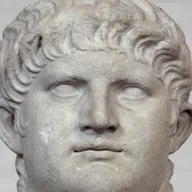
Josephus, The Jewish War 6.271Translated by William Whiston (1737)Read the full passage (opens scaife.perseus.org)

When, and whose words

Date
set in 70 CE. Set at the burning of the Temple in Jerusalem in 70 CE; he wrote it in the 70s CE.
Whose words
His own words.
How this post was checked
  • The plain-words line was read against the quote alone by a second, independent pass, which found it adds no claim the quote does not make (2026-10-03).
  • Each claim in the summary was checked by an independent pass against only the material it cites.
  • The quote itself is checked by the build: word for word, once, at the cited section of the stored translation.

See it among its momentsMore from JosephusSee it in the feed