hstry

Tacitus on Augustus' peace stained with blood

set in 14 CE, Rome. His own words.

Where and when

set in 14 CERome

2,012 years ago

Explore
Tacitus, c. 56 – c. 120 CE3000 BCE2900 BCE2800 BCE2700 BCE2600 BCE2500 BCE2400 BCE2300 BCE2200 BCE2100 BCE2000 BCE1900 BCE1800 BCE1700 BCE1600 BCE1500 BCE1400 BCE1300 BCE1200 BCE1100 BCE1000 BCE900 BCE800 BCE700 BCE600 BCE500 BCE400 BCE300 BCE200 BCE100 BCE1 CE100 CE200 CE300 CE400 CE500 CE600 CE700 CE800 CE900 CE1000 CE1100 CE1200 CE1300 CE1400 CE1500 CE1600 CE1700 CE1800 CE1900 CE2000 CEGreat Pyramid of Giza built, c. 2600 BCERome founded (traditional date), 753 BCELast western Roman emperor deposed, 476 CEGutenberg's printing press, c. 1440 CEColumbus reaches the Americas, 1492 CEFirst people on the Moon, 1969 CEToday, 2026

Swipe the line. Bars: entries. Dots: events.

In plain words, ours

Yes, peace came after all that, but it was a peace soaked in blood, with disasters, and murders in Rome itself.

No doubt, there was peace after all this, but it was a peace stained with blood; there were the disasters of Lollius and Varus, the murders at Rome of the Varros, Egnatii, and Juli.

Tacitus, Annals 1.10Translated by A. J. Church and W. J. Brodribb (1876)Read the full passage (Tacitus, Annals 1.10, opens scaife.perseus.org)

What was going on, our summary

Tacitus is laying out the case against Augustus, who died in 14 CE after 41 years in power: citizens proscribed, lands divided, Antony lured on by treaties and a marriage. Next he turns to Augustus' family life.

Checked claim by claim against: Augustus dies at Nola after 41 years in power, the passage around the quote.

Related moments

In time order, with this one in its place. Each says why it is here.

  1. c. 30–20 BCEabout 38 years earlier Tacitus on how Augustus won power More from Tacitus
  2. c. 10–14 CEDuring it Tacitus on how few had seen the republic More from Tacitus
  3. 14 CESame year Augustus dies at Nola after 41 years in power The event behind it
  4. 14 CESame year Tiberius succeeds Augustus Also in Rome
  5. set in 14 CEThis momentTacitus on Augustus' peace stained with blood
  6. by 14 CEBy this year Augustus' brick and marble boast, in Suetonius Also in Rome
  7. by 14 CEBy this year Augustus on a stable commonwealth, per Suetonius Also in Rome
  8. by 14 CEBy this year Augustus on hastening slowly, in Suetonius Same years
  9. 62 CE48 years later Tacitus on Nero's answer to Seneca More from Tacitus

Just before and after

The text around the quote, word for word from the same translation.

Show the passageHide the passage

Citizens were proscribed, lands divided, without so much as the approval of those who executed these deeds. Even granting that the deaths of Cassius and of the Bruti were sacrifices to a hereditary enmity (though duty requires us to waive private feuds for the sake of the public welfare), still Pompeius had been deluded by the phantom of peace, and Lepidus by the mask of friendship. Subsequently, Antonius had been lured on by the treaties of Tarentum and Brundisium, and by his marriage with the sister, and paid by his death the penalty of a treacherous alliance.

The quote: No doubt, there was peace after all this, but it was a peace stained with blood; there were the disasters of Lollius and Varus, the murders at Rome of the Varros, Egnatii, and Juli.

" The domestic life too of Augustus was not spared. "Nero's wife had been taken from him, and there had been the farce of consulting the pontiffs, whether, with a child conceived and not yet born, she could properly marry. There were the excesses of Quintus Tedius and Vedius Pollio; last of all, there was Livia, terrible to the State as a mother, terrible to the house of the Cæsars as a stepmother. No honour was left for the gods, when Augustus chose to be himself worshipped with temples and statues, like those of the deities, and with flamens and priests.

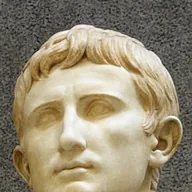
Tacitus, Annals 1.10Translated by A. J. Church and W. J. Brodribb (1876)Read the full passage (opens scaife.perseus.org)

When, and whose words

Date
set in 14 CE. Set at the death and funeral of Augustus in 14 CE; Tacitus wrote c. 115–120 CE.
Whose words
His own words.
How this post was checked
  • The plain-words line was read against the quote alone by a second, independent pass, which found it adds no claim the quote does not make (2026-10-03).
  • Each claim in the summary was checked by an independent pass against only the material it cites.
  • The quote itself is checked by the build: word for word, once, at the cited section of the stored translation.

See it among its momentsMore from TacitusSee it in the feed