hstry

c. 430–425 BCEThermopylae

about 2,452 years ago

Explore
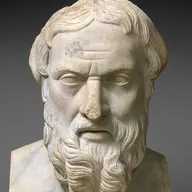
Herodotus, c. 484 – c. 425 BCE3000 BCE2900 BCE2800 BCE2700 BCE2600 BCE2500 BCE2400 BCE2300 BCE2200 BCE2100 BCE2000 BCE1900 BCE1800 BCE1700 BCE1600 BCE1500 BCE1400 BCE1300 BCE1200 BCE1100 BCE1000 BCE900 BCE800 BCE700 BCE600 BCE500 BCE400 BCE300 BCE200 BCE100 BCE1 CE100 CE200 CE300 CE400 CE500 CE600 CE700 CE800 CE900 CE1000 CE1100 CE1200 CE1300 CE1400 CE1500 CE1600 CE1700 CE1800 CE1900 CE2000 CEGreat Pyramid of Giza built, c. 2600 BCERome founded (traditional date), 753 BCELast western Roman emperor deposed, 476 CEGutenberg's printing press, c. 1440 CEColumbus reaches the Americas, 1492 CEFirst people on the Moon, 1969 CEToday, 2026sometime in these 5 years

Swipe or tap the line. Bars: entries. Dots: events.

Thermopylae

A place in this history (Pleiades 541140). 2 posts and events, oldest first.

All of hstryNarrow it down

431–⁠405 BCE: War with Sparta

Herodotus, Thermopylae

On the last stand at Thermopylae

What was going on: Herodotus is describing the last stand of the Greeks at Thermopylae. After a fierce fight over the body of Leonidas, enemy troops led by Epialtes arrived, and the Spartans and Thespians fell back behind the wall to a small hill at the mouth of the pass.

They fought with swords if they still had them, and with hands and teeth. The enemy buried them under missiles from the front and from all sides.

In that place they defended themselves with swords, if they still had them, and with hands and teeth. The barbarians buried them with missiles, some attacking from the front and throwing down the defensive wall, others surrounding them on all sides.

His own words. Herodotus, Histories 7.225.3, translated by A. D. Godley (1920)

Herodotus, Thermopylae

The Spartans' epitaph at Thermopylae

What was going on: Herodotus is describing the graves at Thermopylae, where the Greeks who fought the Medes were buried where they fell. Several inscriptions were set over them: one for all of them, and another for the seer Megistias.

The Spartans' own epitaph: Stranger, go tell the Spartans that we lie here, obedient to their orders.

That inscription is for them all, but the Spartans have their own: Foreigner, go tell the Spartans that we lie here obedient to their commands.

The Spartans' epitaph at Thermopylae, as Herodotus records it. Herodotus, Histories 7.228.2, translated by A. D. Godley (1920)