
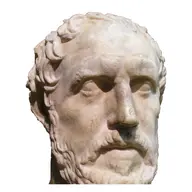
Thucydides, Sicily
On the disaster in Sicily
What was going on: Thucydides is ending his account of the Athenian expedition to Sicily in 413 BCE. At least seven thousand prisoners were taken, and back in Athens people at first refused to believe a defeat so complete.
Why it matters: Athens lost two hundred ships and thousands of men in a single campaign. Some historians see the failure as the turning point of the war, though Athens fought on for another decade.
In my view the biggest event in Greek history: glorious for the winners, a catastrophe for the losers. Fleet, army, everything was destroyed, and few came home.
This was the greatest Hellenic achievement of any in this war, or, in my opinion, in Hellenic history; at once most glorious to the victors, and most calamitous to the conquered. They were beaten at all points and altogether; all that they suffered was great; they were destroyed, as the saying is, with a total destruction, their fleet, their army—everything was destroyed, and few out of many returned home.