hstry

c. 430–425 BCEPersia, off the map

about 2,452 years ago

Explore
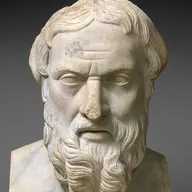
Herodotus, c. 484 – c. 425 BCE3000 BCE2900 BCE2800 BCE2700 BCE2600 BCE2500 BCE2400 BCE2300 BCE2200 BCE2100 BCE2000 BCE1900 BCE1800 BCE1700 BCE1600 BCE1500 BCE1400 BCE1300 BCE1200 BCE1100 BCE1000 BCE900 BCE800 BCE700 BCE600 BCE500 BCE400 BCE300 BCE200 BCE100 BCE1 CE100 CE200 CE300 CE400 CE500 CE600 CE700 CE800 CE900 CE1000 CE1100 CE1200 CE1300 CE1400 CE1500 CE1600 CE1700 CE1800 CE1900 CE2000 CEGreat Pyramid of Giza built, c. 2600 BCERome founded (traditional date), 753 BCELast western Roman emperor deposed, 476 CEGutenberg's printing press, c. 1440 CEColumbus reaches the Americas, 1492 CEFirst people on the Moon, 1969 CEToday, 2026sometime in these 5 years

Swipe or tap the line. Bars: entries. Dots: events.

Persia

A region in this history (Pleiades 922698). 1 posts and events, oldest first.

All of hstryNarrow it down

431–⁠405 BCE: War with Sparta

Herodotus, Persia

Says custom is lord of all

What was going on: Herodotus has just said that Cambyses must have been insane to mock other peoples' religion and customs, since every people thinks its own customs are the best. As proof, he tells how King Darius asked some Greeks what price would make them eat their dead fathers, and they said no price would.

A people who ate their dead parents were horrified at the idea of burning them. Beliefs run that deep. Custom rules everyone, I think.

Then Darius summoned those Indians who are called Callatiae, who eat their parents, and asked them (the Greeks being present and understanding through interpreters what was said) what would make them willing to burn their fathers at death. The Indians cried aloud, that he should not speak of so horrid an act. So firmly rooted are these beliefs; and it is, I think, rightly said in Pindar's poem that custom is lord of all.

His own words. Herodotus, Histories 3.38.4, translated by A. D. Godley (1920)